
September 2026
Beyond the Buzzwords: Why True ASD-STE100 Compliance is Critical for Aerospace and Nuclear Engineering Safety
The Hidden Vulnerability in Nuclear Facilities
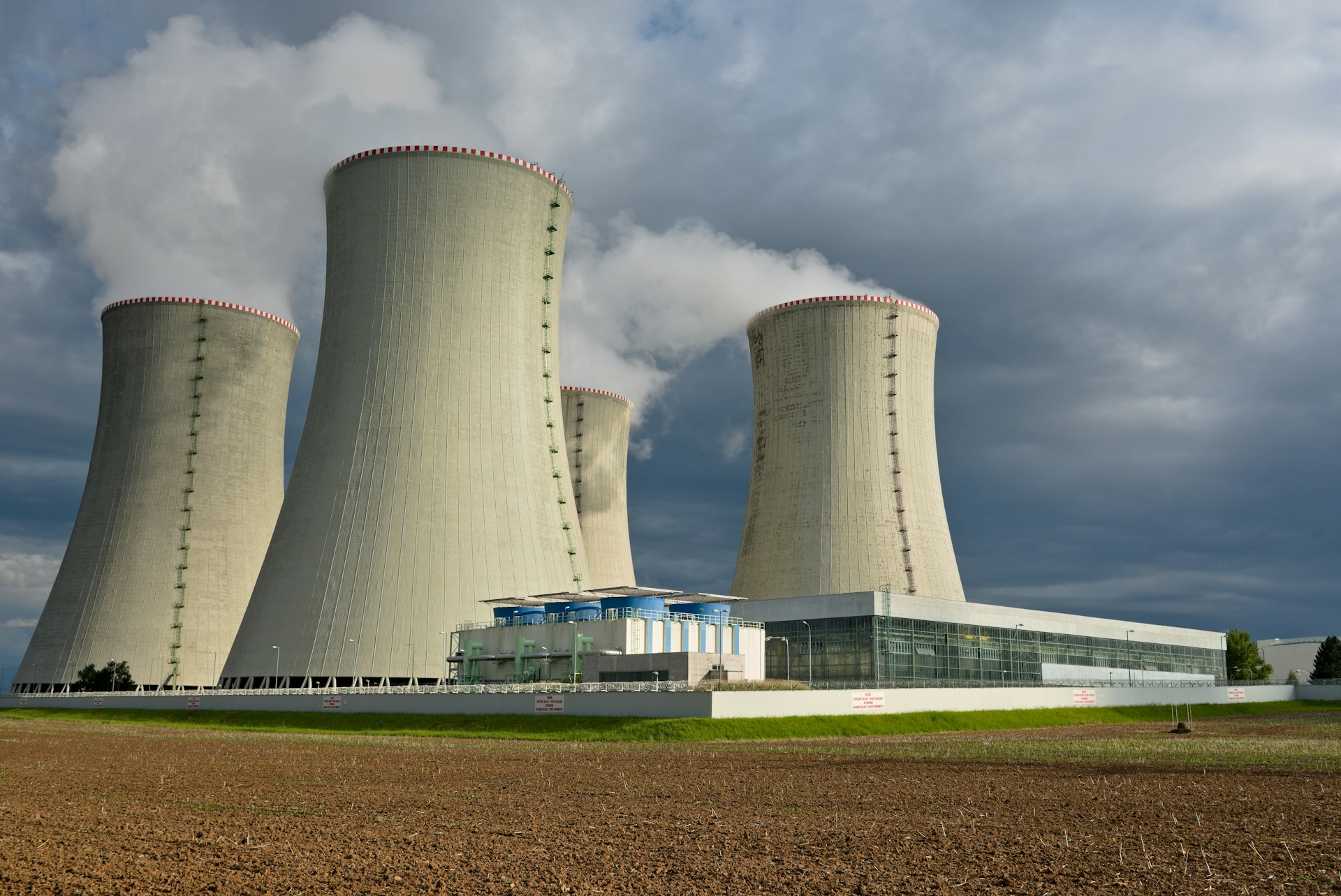
Walk into a nuclear power plant control room or turbine hall, and you will find an obsession with hardware redundancy. Every primary safety system has a physical backup. Every critical valve and cooling loop is cross-checked against multiple failsafes. Yet, hand a reactor operator or maintenance technician a 400-page operating procedure written in bloated corporate prose, and that entire safety margin evaporates.
Nuclear engineering documentation compliance relies on more than just ticking regulatory boxes; it requires absolute clarity. When an ambiguous sentence in a shutdown manual or testing protocol triggers a misinterpretation, the resulting delay or operational error can compromise safety. This is why achieving strict documentation compliance requires moving away from loose prose and adopting controlled language standards like ASD-STE100.
In aerospace and nuclear engineering documentation compliance, an ambiguous sentence in a troubleshooting guide causes mistakes, delays, and costly rework. Despite that, most organisations treat technical documentation like a compliance afterthought—something tossed over to whoever has free time before a deadline.
To solve this, industries rely on Simplified Technical English (STE)—an international writing specification designed to remove guesswork from technical documents. Originally developed for the aerospace sector and formally maintained under the specification known as ASD-STE100, this standard restricts writers to a controlled vocabulary and strict grammar rules.
It is not about running text through a basic spell-checker or satisfying a bureaucratic audit. It is a practical engineering control designed to make complex instructions unambiguous.
The Cost of Ambiguity in Nuclear and Aerospace
Traditional technical writing often suffers from unnecessary literary variation. Writers swap out verbs, bury actions inside passive voice, and write long, multi-clause sentences that require multiple passes to parse.
When an aerospace technician works on flight control systems under tight turnaround times, or a nuclear technician reviews shutdown procedures during an outage, they do not calmly analyse prose—they execute actions. If a step relies on loose modifiers or vague verbs, interpretation fractures.
The practical costs show up quickly:
- Wasted Time: Engineers burn hours decoding poorly worded instructions or calling engineering support to clarify what a step actually means.
- Workarounds: Frustrated technicians stop reading the manual, relying on tribal knowledge and shortcuts that bypass safety checks.
- Operational Risk: Misinterpreting an action verb during turbine overhaul or valve calibration can damage expensive hardware or trigger unexpected shutdowns.
Surface-level calls for “clear communication” do not fix this. You need structural boundaries, which is why the ASD-STE100 specification enforces a controlled vocabulary where every word has one approved meaning.
Controlling Vocabulary and Syntax
ASD-STE100 restricts writers to roughly 500 approved general terms, paired exclusively with vetted technical nouns. Words like check, inspect, verify, and test are never allowed to bleed into one another. Each has a specific operational definition.
In a nuclear facility or an aerospace maintenance depot, that distinction is non-negotiable. If a procedure blurs the line between checking a pressure gauge and testing a system under load, an operator might glance at a dial instead of running a diagnostic sequence.
The standard enforces this through mechanical rules:
- Fixed Verb Definitions: Synonyms are banned. An action verb means one precise physical action every time.
- The Imperative Mandate: Instructions must start with the action verb, leaving no doubt about who does what.
- Strict Word Limits: Procedural sentences are capped at 20 words. Descriptive text stops at 25.
- No Gerunds or Noun Piles: Heavy noun clusters are broken down into clean subject-verb-object structures.
S1000D Integration
Large aerospace and nuclear projects involve multi-vendor ecosystems where suppliers, contractors, and regulators must share data seamlessly. That requires modular data standards like S1000D.
An XML container standard is only as good as the text inside it. S1000D provides the structure; ASD-STE100 provides the linguistic rules. Together, they deliver:
- Cleaner Translation: Removing idioms and grammatical clutter makes source text easier for human translators and machine engines across international supply chains.
- Lower Localization Costs: Standardised English yields higher translation memory matches, cutting endless rewrites.
- Safe Content Reuse: Modular data modules move between aircraft platforms or reactor designs without losing semantic integrity.
Implementing STE
You cannot deploy ASD-STE100 by treating it as a software plugin or a final edit. Changing how engineers author documents requires a structured approach:
- Run a Baseline Audit: Pull a sample of current maintenance manuals to measure sentence lengths and unapproved terminology.
- Set Governance: Appoint STE champions and embed the rules into corporate style guides and authoring templates.
- Train the Writers: Run practical workshops for technical writers and subject matter experts focusing on controlled vocabulary and syntax.
- Automate Guardrails: Integrate checking tools into the authoring environment so writers catch non-compliant terms as they type.
- Measure Results: Track metrics like technical query tickets, translation costs, and procedural errors.
Practical Precision
In aerospace and nuclear engineering documentation compliance, documents are a functional tool, not a stylistic showcase. Treating manuals as a clerical afterthought invites operational friction. Proper ASD-STE100 compliance aligns documentation directly with engineering intent.
Ready to eliminate ambiguity in your manuals?
Shufrans TechDocs helps engineering teams in aerospace and nuclear sectors implement practical ASD-STE100 compliance through specialised training and governance consulting. Contact us today to discuss your documentation workflow.


