Blog | Page 2 of 8 | Shufrans TechDocs Home // Blog | Page 2 of 8 | Shufrans TechDocs

FNSS Defence Systems: A Look Back at Clarity and Collaboration in Ankara with STE

FNSS Defence Systems: A Look Back at Clarity and Collaboration in Ankara with STE

Strengthening Technical Documentation and Optimising Team Contribution Across FNSS's Global Defence Operations

Client: FNSS Defence Systems

Industry: Defence Manufacturing (Armoured Vehicles)

Location: Ankara, Turkey (On-site Training)

Challenge: Ensuring clarity, consistency, and precision in critical technical documentation (Maintenance Manuals, Operator Manuals, Technical Specifications) for a global defence manufacturing operation, particularly in meeting comprehensive standards like S1000D and supporting robust Integrated Logistics Support (ILS).

Solution: A three-day on-site ASD-STE100 training programme delivered by Shufrans TechDocs to at least 15 professionals across five key job functions.

Results: Achieved enhanced precision and consistency in technical documentation, leading to improved operational readiness and safety, strengthened overall technical communication for FNSS’s armoured vehicle programmes, and augmented support for their Integrated Logistics Support Plan (ILP), Integrated Product Support (IPS) initiatives, and S1000D compliance.


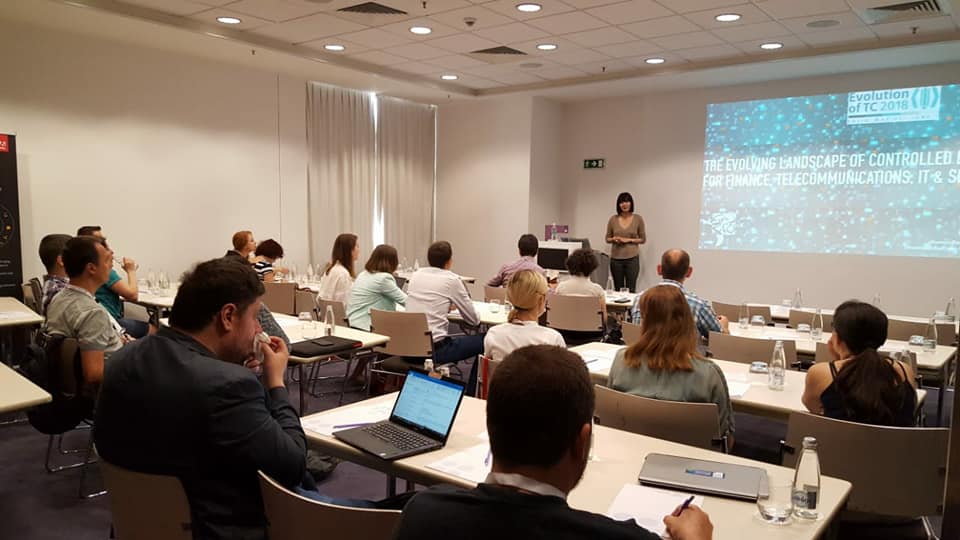
Back in the winter of 2017, the vibrant city of Ankara, Turkey, played host to a memorable collaboration focused on elevating technical communication. At the Sheraton hotel, Shufrans TechDocs had the distinct pleasure of working with at least 15 dedicated professionals from FNSS Defence Systems, a leading manufacturer of armoured vehicles. It was a three-day on-site training programme that, beyond the serious work of technical documentation, was filled with engaging discussions and a truly enjoyable atmosphere, thanks to the wonderful team from Turkey.

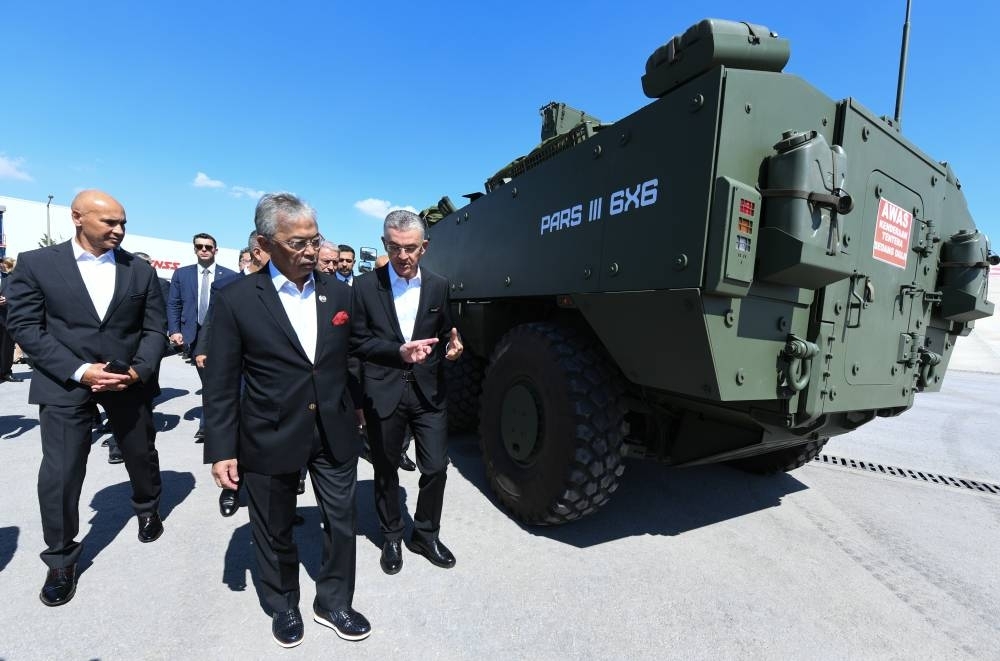
Our visit extended beyond the training room, offering a valuable opportunity to see the FNSS factory on the outskirts of Ankara, observing the impressive armoured vehicles firsthand. This immersive experience further reinforced the critical importance of clear and precise communication in the defence industry.

The Mission: Precision in Defence Documentation

FNSS operates in a sector where the stakes are incredibly high, and clarity in documentation directly translates to operational readiness and safety. The goal of the training was to introduce and apply ASD-STE100 Simplified Technical English (STE) principles to their existing documentation, enhancing precision and consistency across various critical materials. This is particularly vital in the context of global defence standards like S1000D and the overarching framework of Integrated Product Support (IPS), which encompasses all elements required to sustain a defence system throughout its lifecycle, including the foundational aspects of Integrated Logistics Support (ILS).


Key Document Types Transformed by STE

During the workshops, the focus was on real-world application, directly impacting some of FNSS’s most vital documentation:

  • Maintenance Manuals / Service Manuals: Essential for field engineers and technicians, STE ensures these manuals provide unambiguous, step-by-step instructions for repairs and routine servicing, directly impacting the operational uptime and longevity of armoured vehicles. These manuals are foundational to Integrated Logistics Support (ILS) and the broader IPS framework.
  • Operator Manuals / User Handbooks: These guides are crucial for military personnel operating the vehicles. STE helped to ensure that instructions on vehicle operation and integrated systems were easy to understand and execute correctly in challenging field conditions.
  • Technical Specifications / Design Documents: Fundamental for engineers and designers, STE ensures that design parameters, material requirements, and performance criteria are defined with absolute precision, supporting manufacturing accuracy and future vehicle upgrades. Clear specifications are key for S1000D data module development and overall IPS planning.

Empowering Diverse Roles with STE

The training brought together professionals from five key job functions, each gaining valuable skills tailored to their specific responsibilities:

  • Technical Writers / Documentation Experts: Directly responsible for creating and maintaining technical manuals, they refined their skills in applying STE rules for consistent and clear content, which is vital for S1000D compliance.
  • Engineers (across various disciplines): Involved in the design and development of the vehicles, they learned to contribute and interpret technical information with greater precision, ensuring alignment from concept to completion and improving inputs for ILS documentation.
  • Field Engineers: Working directly with the vehicles in operational settings, they benefited from clearer troubleshooting guides and reporting formats, improving efficiency and safety in the field, which directly contributes to ILS.
  • Quality Assurance / Quality Control Personnel: Gained tools to ensure that documentation consistently met stringent quality and compliance standards, directly reflecting in the reliability of the vehicles and adherence to specifications like S1000D.
  • Project Managers: Overseeing complex vehicle development and delivery programmes, they gained from improved clarity in all project-related documentation, helping to mitigate risks and ensure smooth execution, particularly within the framework of ILS and the Integrated Logistics Support Plan (ILP).

A Lasting Impact

Those three days in Ankara were more than just a training session; they were a testament to the universal value of clear communication and the dedication of the FNSS team. The collaborative spirit and commitment to continuous improvement demonstrated by the participants made it a truly rewarding experience. By embracing STE, FNSS further strengthened its foundation for precision and operational excellence in defence manufacturing, enhancing their Integrated Logistics Support Plan (ILP) and their capability to produce S1000D compliant technical publications.

Looking to empower your teams with unparalleled clarity in technical documentation?

Contact Shufrans TechDocs today to discuss how our bespoke ASD-STE100 training and support can benefit your organisation.

🗓️ View our training calendar.

www.shufrans.com

A Komatsu Success Story: Driving Clarity & People Development with Simplified Technical English

A Komatsu Success Story: Driving Clarity & People Development with Simplified Technical English

Empowering Teams and Optimising Documentation Across Komatsu's Global Operations

Client: Komatsu (Global Operations, focusing on Mining & Heavy Equipment)

Industry: Heavy Equipment & Mining

Challenge: Inconsistent technical documentation across diverse global teams and job roles, impacting clarity, efficiency, and knowledge transfer within the critical mining sector and wider heavy equipment operations.

Solution: Tailored ASD-STE100 (Issues 7 to 9) training and consulting by Shufrans TechDocs, delivered to various offices and specialised job roles.

Results: Significant improvements in documentation precision, streamlined processes, reduced risks, and enhanced professional development across Komatsu’s global technical communication teams, particularly benefiting their mining documentation efforts.


The Challenge: A Global Jigsaw Puzzle of Technical Communication

Komatsu, a world leader in heavy equipment and a pivotal player in the mining industry, operates with a vast and intricate global network. Ensuring absolute clarity and consistency in its technical documentation is paramount, directly impacting operational safety, efficiency, and customer satisfaction worldwide. However, with documentation teams spread across various offices and encompassing diverse job roles – from Curriculum Designers, Technical Information Engineers, Instructional Designers, Field Experts, Parts Manual Editors, Curriculum Developers, Curriculum Trainers, Translators, and Engineers – maintaining a unified voice and unambiguous standard presented a significant challenge. This was particularly acute for documentation pertaining to complex mining machinery and operational procedures.

Inconsistencies could lead to:

  • Misinterpretations of critical maintenance or operational procedures, especially for high-value mining assets.
  • Increased rework and delays in document creation and updates.
  • Higher translation costs due to varied source text.
  • Challenges in onboarding new team members to consistent communication standards.
  • Potential safety risks in the field or during equipment operation, with severe consequences in mining environments.

Komatsu sought a solution that could not only standardise their technical language but also cater to the specific needs and daily tasks of their varied documentation professionals across different regions, with a strong emphasis on their vital mining operations.

The Solution: Targeted STE Training with Shufrans TechDocs

Shufrans TechDocs partnered with Komatsu to implement a comprehensive ASD-STE100 (Issues 7 to 9) training programme tailored to their unique global requirements. Recognising that a one-size-fits-all approach would not suffice, Shufrans TechDocs delivered focused, personalised training sessions to various Komatsu offices, addressing the specific challenges faced by each job role:

  • Trainers, Curriculum Designers & Developers, Instructional Designers, Curriculum Trainers: Learnt to craft training materials and curricula that were consistently clear, concise, and easy for global learners to understand, accelerating knowledge transfer and reducing ambiguity in instructional content for both heavy equipment and specialised mining curricula.
  • Technical Publications Supervisors, Technical Information Engineers & Parts Manual Editors: Gained mastery in applying STE rules to complex technical specifications, operational manuals, and parts catalogues, ensuring precision for critical procedures and accurate identification of components, vital for the high demands of mining equipment.

  • Engineers & Field Experts: Acquired skills to contribute clear, unambiguous input for documentation and communicate technical information precisely, bridging the gap between practical knowledge and written instructions, directly enhancing safety and operational efficiency on site, especially for complex machinery used in mining.
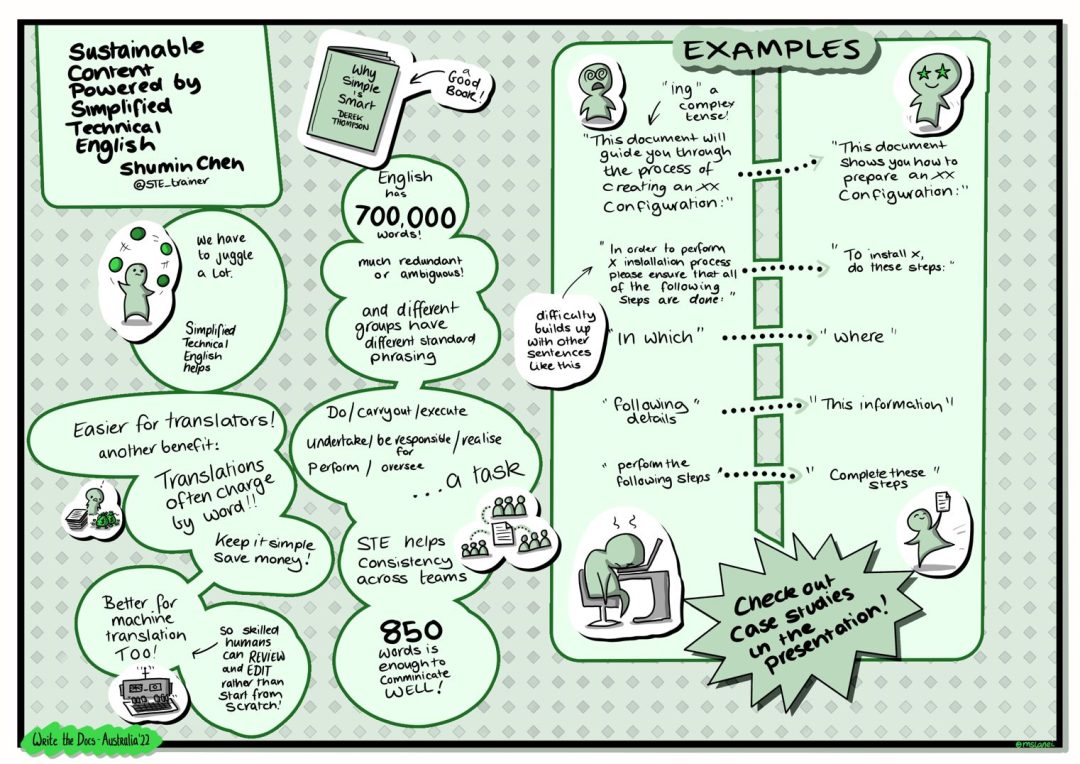
  • Translators: Benefited from working with STE-compliant source text, leading to faster, more accurate, and more cost-effective translations due to the reduced ambiguity and increased consistency of the original English.

The training emphasised practical application, utilising Komatsu’s own documentation examples where relevant, to ensure immediate and tangible skill transfer. Shufrans TechDocs’ expertise in ASD-STE100 (Issue 9) ensured that Komatsu’s teams were equipped with the latest standards and best practices.

Testimonials

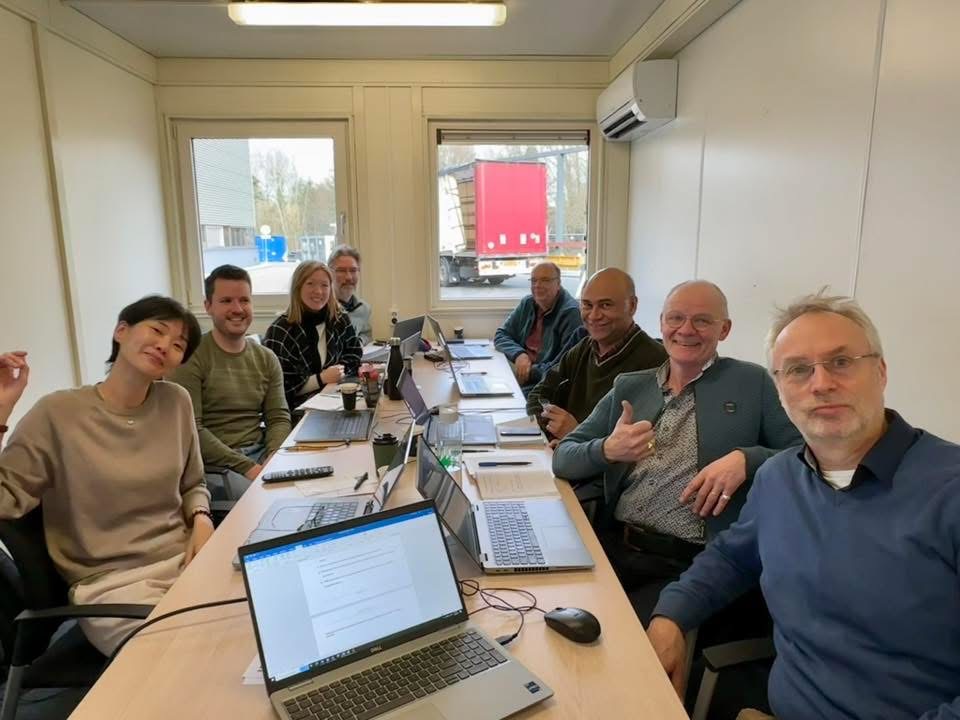
Elaine Emerson, Illustrated Parts Catalog Editor II at Komatsu, shared: “Very professional, easy to understand. Rule ‘Do not use different technical names for the same thing’ is my favorite because I find this happens frequently in our Parts books and it is frustrating. I thought the quizzes and exercises were helpful. I thought the workshop was managed very well and it exceeded my expectations. I was not looking forward to this training class, but I now hope I have the privilege to attend another one.”

Dennis Lane, Technical Editor at Komatsu Mining Corp, commented: “The training was excellent. The trainer was knowledgeable and easy to understand, ensuring all students grasped each concept and participated actively. The examples used in training were from our own documentation. As a former trainer myself, I recognise the exemplary dedication and effort that went into preparing and presenting this programme, especially to an international audience. The workshop held learners responsible for applying new knowledge, with reviews presented in a non-judgemental and supportive manner. This was a well-designed and well-executed programme.”

The Results: Unifying Communication, Enhancing Operations

By embracing ASD-STE100 training with Shufrans TechDocs, Komatsu achieved significant improvements across its technical communication landscape, with notable impacts on its documentation:

  • Enhanced Clarity and Reduced Risk: A consistent and unambiguous language standard drastically minimised misinterpretations in vital documentation, directly contributing to improved safety protocols and reduced operational errors, which are paramount in the high-risk mining sector.
  • Boosted Efficiency and Consistency: Teams could produce documentation more efficiently, with less rework, and a higher degree of consistency across all content, regardless of the author’s location or specific role.
  • Optimised Global Reach: Improved source text consistency facilitated more accurate and cost-effective translation, ensuring Komatsu’s global communications were understood without compromise.
  • Accelerated People Development: The tailored training programmes significantly upskilled documentation professionals across all roles, fostering a culture of precision writing and contributing to their long-term professional growth and career pathways within Komatsu’s global operations, including the specialised demands of mining.
  • Stronger Internal Collaboration: A shared understanding and application of STE fostered better communication and collaboration among geographically dispersed teams, benefiting cross-functional projects involving mining equipment development and support.

Komatsu’s investment in STE training with Shufrans TechDocs has transformed their technical documentation from a potential source of ambiguity into a strategic asset, reinforcing their commitment to excellence in safety, efficiency, and global operations. This success story underscores the power of targeted professional development in driving critical operational improvements.

If your organisation faces similar challenges in global technical communication, discover how Shufrans TechDocs can help. Learn more about our ASD-STE100 training and consulting services:

🗓️ View our training calendar.

www.shufrans.com

The Strategic Clarity of Simplified Technical English: Why Less Grammar Means More Precision

The Strategic Clarity of Simplified Technical English: Why Less Grammar Means More Precision

In the complex world of technical documentation, the pursuit of clarity is paramount. Yet, many still perceive “simplified” language as a reduction in sophistication. However, for those familiar with ASD-STE100 Simplified Technical English (STE), its precisely defined grammar—particularly the constrained use of verb tenses—is not a limitation, but a powerful feature designed to eliminate ambiguity and minimise errors.

At the heart of STE’s effectiveness is its disciplined approach to verb tenses. Unlike the vast array of options in general English, STE limits writers to a specific, unambiguous set: Present Tense, Past Tense, Infinitive, Future Tense, Past Participle (used as an adjective), and the Imperative. This intentional restriction drives immense benefits across an organisation, impacting everything from operational efficiency to strategic communication.

Precision for the Front Lines: How Limited Tenses Empower Technicians and Engineers

For the individuals directly interacting with products, machinery, and complex systems—your technicians and engineers—the clarity afforded by STE’s simplified tenses is transformative. When every instruction must be perfectly understood, ambiguity can lead to costly errors, safety hazards, and downtime.

  • Reduces Ambiguity: Complex or rarely used tenses in general English can lead to different interpretations, especially for non-native English speakers. By using simpler, direct tenses, STE ensures that instructions in maintenance manuals, operational procedures, and troubleshooting guides are understood universally and unequivocally. “PRESS THE START BUTTON” leaves no room for doubt about the action or its timing.
  • Faster Comprehension: Less cognitive load means quicker understanding. Engineers and technicians can rapidly grasp instructions without needing to parse intricate grammatical structures, leading to more efficient task execution.
  • Minimises Operational Mistakes: Clear, unambiguous commands directly translate to fewer errors in the field. This is critical in safety-sensitive industries, where a single misinterpretation can have severe consequences. Simplified tenses mean the intent of the author is preserved, every time.
  • Improved Efficiency: Time spent deciphering poorly written documents is time wasted. STE’s simplified tenses enable a smooth workflow, allowing technical staff to focus on their core tasks rather than struggling with linguistic complexities.

Elevating Insights: STE in White Papers and Technical Reports 

There’s a common misconception that simplification equates to “dumbing down” content, particularly in high-level documents like white papers and technical reports where managers seek sophistication. However, the true sophistication in such documents lies in precision, conciseness, and impactful clarity, not linguistic embellishment. STE’s principles, including its tense limitations, enhance these qualities.

  • Enhanced Precision: By advocating for direct statements and avoiding vague phrasing, STE encourages writers to express technical concepts with utmost accuracy. This avoids misinterpretation of data, findings, or recommendations. A report written in STE is lean, impactful, and analytically rigorous, free of unnecessary complexity.
  • Improved Readability for Decision-Makers: Managers and executives are busy. They need to quickly extract key insights and make informed decisions. Reports that are direct, factual, and easy to consume—thanks to simplified tenses and consistent vocabulary—facilitate faster understanding, leading to more timely and effective strategic choices.
  • Stronger Argumentation: When ideas are presented with unambiguous language, arguments become more compelling and defensible. The focus shifts from deciphering the writing style to understanding the presented facts and analysis.
  • Increased Credibility: Documents free from grammatical slips, awkward phrasing, or linguistic ambiguities inherently appear more authoritative and trustworthy. This bolsters the credibility of the presented technical concepts and the expertise of the authors.

Broadening Reach: The Usefulness of STE in Marketing and Corporate Communication

While STE is a controlled language for technical documentation, its underlying principles of clarity, conciseness, and consistent messaging are invaluable in broader communication contexts for technical industries and businesses. Applying STE’s ethos to marketing and corporate communications can significantly enhance their effectiveness.

  • Marketing & Product Communication: For technical products, clearly articulating features and benefits to a diverse audience (both technical and non-technical) is crucial. Simplified language in marketing materials, product descriptions, and user guides ensures that the value proposition is immediately understood, reducing customer support queries and increasing user adoption.
  • Consistent Brand Voice: Adopting a “simplified English” approach, informed by STE principles, ensures a consistent and approachable voice across all internal and external communications. This is particularly important for global companies where messaging can get diluted or misinterpreted across different regions and languages.
  • Enhanced Internal Communication: From HR policies to inter-departmental memos and internal training materials, applying principles of clarity and conciseness ensures that all employees—regardless of their primary language or technical background—understand critical information, fostering a more efficient and cohesive workforce.

The Verdict: Strategic Simplicity for a Complex World

The strength of ASD-STE100 Simplified Technical English lies not in dumbing down complex ideas, but in stripping away linguistic barriers that hinder comprehension and introduce errors. Its disciplined approach to verb tenses is a prime example of how structured simplification leads to profound gains in clarity, accuracy, and efficiency across an entire organisation. From the factory floor to the boardroom, and across your marketing efforts, leveraging STE is a strategic investment that pays dividends in reduced costs, improved safety, and enhanced global reach.

Ready to unlock the full potential of your organisation’s knowledge assets? Explore Shufrans Techdocs worldwide online instructor-led training sessions. We equip your professionals with the practical skills to implement STE, enabling them to create precise, compliant, and highly effective documentation. Plus, you’ll benefit from 120 days of post-training support to ensure lasting success.


Ready to explore how human expertise and strategic frameworks like STE can elevate your technical communication? Connect with Shufrans TechDocs today.

🗓️ View our training calendar.
www.shufrans.com

Clear Docs, Human Touch: Why AI Isn’t the Full Answer for Technical Communication

Clear Docs, Human Touch: Why AI Isn’t the Full Answer for Technical Communication

For industries defined by innovation and complexity, including software development, renewable energy, advanced manufacturing, biotechnology, healthcare technology, e-learning, and logistics, your technical documentation isn’t merely an instruction guide. It’s a critical asset, the essential bridge between your sophisticated innovations and the people who use, maintain, and rely on them globally.

However, achieving consistent, unambiguous information across diverse teams and international markets presents a significant challenge. When documentation lacks clarity, organisations can inadvertently face:

  • Increased support demands, diverting valuable resources.
  • User errors, leading to frustration, costly rework, or even safety implications.
  • Extended and expensive translation cycles due to convoluted source material.
  • Delays in market entry, as documentation struggles to keep pace with product development.
  • Compliance hurdles in highly regulated industries, stemming from imprecise instructions.
  • Undermined brand reputation, when sophisticated products are accompanied by confusing guides.

This isn’t just about grammatical precision. It’s about operational efficiency, global market access, and proactively managing business risks.


The Problem: When Precision is Paramount, but Language Isn’t Always Clear

Consider the engineer troubleshooting complex industrial equipment, the clinician relying on a medical device manual, or the developer integrating a new software solution. Their success hinges on absolute clarity. Yet, traditional technical writing often struggles with:

  • Unnecessary jargon and colloquialisms.
  • Inconsistent terminology and phrasing.
  • Overly complex sentence structures.
  • Subtle cultural nuances that don’t translate universally.

This is precisely where Simplified Technical English (STE) transcends a mere writing guideline and transforms into a strategic enabler.


STE: Your Pathway to Unambiguous Communication and Strategic Advantage

Developed initially for the aerospace industry, STE is a controlled language that employs a restricted vocabulary, simplified grammar, and consistent phrasing. It’s not about oversimplifying content. It’s about eliminating ambiguity to ensure every reader, regardless of their linguistic background, grasps the exact intended meaning – the first time.

For businesses operating in highly technical and global environments, adopting STE offers a tangible competitive edge:

  • Enhanced User Experience: Making your complex products genuinely accessible and user-friendly.
  • Streamlined Global Operations: Significantly reducing translation costs and accelerating international deployment.
  • Improved Safety and Compliance: Minimising misinterpretation in critical instructions.
  • Operational Efficiency: Reducing errors, rework, and support burdens across your organisation.

The Human Element: Why AI Isn’t the Full Answer for Technical Communication

In an era increasingly shaped by Artificial Intelligence, the question often arises: “Will AI replace technical writers?” At Shufrans TechDocs, our perspective is clear: AI is a powerful assistant, not a replacement for the human technical writer.

While AI excels at pattern recognition, rapid text generation, and adherence to rules (like STE guidelines), it profoundly lacks the critical human attributes essential for truly effective technical documentation:

  • Nuance and Empathy: AI can’t fully grasp the subtle context, unstated assumptions, or the emotional state of a user navigating a complex task. Human writers apply empathy to anticipate user needs and craft clear pathways to understanding.
  • Critical Thinking & Problem-Solving: AI generates text based on existing data. It doesn’t strategically identify core information gaps, troubleshoot complex user scenarios, or innovate new ways to present information. That requires human ingenuity.
  • Subject Matter Expert (SME) Interaction: Extracting complex, often tacit, knowledge from engineers, developers, and scientists demands sophisticated interpersonal skills, active listening, and the ability to ask the right questions – tasks far beyond current AI capabilities.
  • Ethical Judgment & Responsibility: Especially in regulated sectors, the responsibility for accuracy, safety, and compliance rests with humans, who must exercise ethical judgment, not simply generate text.

STE provides a robust framework, and AI can certainly assist in checking compliance or generating initial drafts. However, it is the human technical writer who applies strategic oversight, translates complex ideas into accessible language, and ultimately ensures the documentation genuinely serves its purpose and its audience. Our services are designed to empower and elevate these indispensable human skills.


Where STE Becomes Indispensable – A Sector Focus

At Shufrans TechDocs, we understand the unique documentation challenges within your industry. We partner with organisations like yours to help master STE:

  • In Software Development: Imagine documentation that genuinely empowers users and reduces your support burden, driving adoption and satisfaction for intricate software solutions.
  • In Renewable Energy & Sustainability: Flawless operational and maintenance manuals are critical for safety, efficiency, and the reliable functioning of complex infrastructure worldwide.
  • In Heavy Machinery & Industrial Equipment: Precision in assembly, maintenance, and safety manuals directly impacts uptime, worker safety, and regulatory adherence for your sophisticated equipment.
  • In Biotechnology & Pharmaceuticals: In an industry where accuracy can save lives, STE ensures research protocols, manufacturing guides, and clinical trial documentation are unequivocally clear.
  • In Healthcare Technology & Medical Devices: The clarity of instructions for life-saving devices and diagnostic tools is paramount for both user efficacy and regulatory scrutiny.
  • In E-learning & Corporate Training Solutions: Consistent and globally comprehensible learning materials accelerate knowledge transfer and improve educational outcomes across diverse audiences.
  • In Logistics & Supply Chain Management Technology: Clear documentation for complex technology solutions ensures seamless operations, reducing costly errors and delays in global supply chains.

Our Partnership: Equipping You for Documentation Excellence

Shufrans TechDocs provides the expertise to seamlessly integrate STE into your organisation’s content ecosystem:

  1. STE Training: We equip your technical writers and content creators with the principles and practical application of STE, building sustainable in-house capability. This allows your human talent to focus on critical thinking and content strategy.
  2. STE Proofreading & Editing: Our specialists meticulously review your existing documentation, refining it to meet stringent STE standards and eradicate ambiguity, ensuring legacy content is future-proofed.
  3. STE Technical Writing Services: For new projects or when internal resources are stretched, our experienced writers craft precise, compliant, and user-friendly documentation directly in STE, leveraging their unique human understanding.

Don’t let unclear technical documentation be an overlooked obstacle. Invest in clarity, precision, and global understanding, empowered by human expertise and strategic frameworks like STE.

Ready to explore how human expertise and strategic frameworks like STE can elevate your technical communication? Connect with Shufrans TechDocs today.

🗓️ View our training calendar.

Are Your Knowledge Assets Holding Back Your Business? The Unexpected Return on Investment of Quality Content

Are Your Knowledge Assets Holding Back Your Business? The Unexpected Return on Investment of Quality Content

The perception of organisational knowledge assets often varies greatly across industries and regions. Historically, in many organisations, these crucial resources were primarily viewed as a mere obligation or an unavoidable expenditure – just “good enough” for basic stipulations, rather than a key strategic element. This approach frequently stemmed from an intense focus on rapid product creation and delivery, where the profound worth of clear, user-focused information wasn’t fully grasped.

However, this mindset is rapidly changing. A growing number of progressive enterprises globally are now recognising the immense strategic benefit of their content, moving beyond simple adherence to stipulations and leveraging it as a crucial competitive edge. Does your organisation view its internal and external written resources as a drain or a driver? The answer could profoundly shape your path to success.

Far too many companies still classify their content creation as just another administrative outlay – a box to tick for inspections or financial reviews. Yet, this perspective leads to considerable unmeasured repercussions:

  • Operational Inefficiencies and Bloated Costs: Unclear or incomplete knowledge assets frequently trigger a surge in user queries, leading to frustrated customers and an inflation of customer service outlays. Simultaneously, new team members encounter unnecessarily protracted adjustment periods when self-serve knowledge bases are lacking, hindering their full productivity and impacting team morale for months.
  • Heightened Compliance Risks and Penalties: Substandard reference materials expose your business to greater risks of regulatory non-compliance. This isn’t just about minor headaches; it can lead to significant financial penalties and substantial damage to your corporate reputation in highly scrutinised markets.
  • Impeded Market Performance and Adoption: When individuals encounter confusing directions or manuals, they struggle to utilise your offerings effectively. This directly results in user frustration, diminished engagement with your products, and ultimately, missed opportunities for successful product launches and market penetration.

Conversely, consider the transformative advantages when written resources are regarded as a fundamental investment:

  • Enhanced Operational Efficiency and Cost Savings: Empowered users who independently find their answers mean a dramatic reduction in inbound support tickets, freeing your valuable teams to focus on innovation and complex problem-solving rather than repetitive queries. Internally, comprehensive, readily available information dramatically shortens onboarding times, enabling new team members to contribute productively much sooner.
  • Boosted Client Loyalty and Market Expansion: Clear, concise instructions enhance the user journey, cultivating trust and encouraging repeat business and positive referrals. Furthermore, well-structured information facilitates a smoother entry into new territories by providing consistent, high-quality support and understanding to diverse markets.
  • Strengthened Compliance and Risk Mitigation: Investing in quality knowledge assets proactively ensures robust adherence to international benchmarks and mandates. This not only minimises the risk of penalties but also builds a reputation for reliability and professionalism, strengthening your position in a competitive global landscape.

The Verdict: Written assets are not merely an expense centre. They are your silent engine for operational excellence and sustained advancement.

If your approach to managing these vital resources remains reactive or an afterthought, you’re likely overlooking significant prospects and leaving tangible value untapped.


Unlock Your Knowledge Assets

Ready to transform your documentation from a cost centre into a strategic growth engine? Utilise ASD-STE100 Simplified Technical English to achieve unparalleled clarity and efficiency in your content.

Encourage your team to explore Shufrans Techdocs worldwide online instructor-led training sessions. Our programmes equip your professionals with the practical skills to implement this standard, enabling them to create precise, compliant, and highly effective knowledge assets. Plus, you’ll benefit from 120 days of post-training support to ensure lasting success.

🗓️ View our training calendar.

Simplified Technical English and AI: Optimising Your Documentation for the Era of Large Language Models

Simplified Technical English and AI: Optimising Your Documentation for the Era of Large Language Models

Preparing Your Knowledge Base for the Future of Intelligent Systems with STE

The landscape of information is rapidly transforming. Large Language Models (LLMs) and Generative AI are no longer concepts of tomorrow but powerful tools reshaping how we create, process, and consume knowledge today. Yet, the true potential of these AI systems hinges on one critical factor: the quality of the data they are fed. As the adage goes, “Garbage In, Garbage Out” applies more strongly than ever to Artificial Intelligence.


What Makes Documentation “AI-Ready”?

For AI models to perform optimally – whether generating content, answering complex queries, or translating vast amounts of text – they demand specific characteristics from their input documentation:

  • Unambiguity: AI struggles with interpretation. A single word or phrase with multiple meanings can lead to incorrect inferences or “hallucinations”.
  • Consistency: Predictable sentence structures, consistent terminology, and uniform phrasing enable AI to learn patterns more effectively and retrieve information accurately.
  • Structured Language: While LLMs can handle unstructured text, highly structured, logical content allows for more precise analysis and generation.
  • Controlled Vocabulary: A limited and defined set of words reduces synonymy (multiple words for the same thing) and homography (one word with multiple meanings), which are common challenges for AI.

This is where the principles of clear human communication unexpectedly converge with the demands of artificial intelligence.


Simplified Technical English: The Original AI-Friendly Language

Long before the current AI revolution, Simplified Technical English (STE), formalised as ASD-STE100, was meticulously developed to enhance clarity and reduce ambiguity for human readers, particularly non-native English speakers. It achieves this through a carefully selected controlled vocabulary and a set of precise writing rules (e.g., short sentences, active voice, avoiding jargon).

What’s fascinating is that the very characteristics that make STE easy for humans to understand also make it remarkably machine-readable. By enforcing consistency, limiting vocabulary, and simplifying sentence structures, STE inadvertently created a language that is inherently optimised for computational processing. It removes the linguistic “noise” and uncertainty that often befuddle AI systems.

Specific Benefits of STE for AI-Driven Workflows

Adopting Simplified Technical English is no longer just about human comprehension and compliance; it’s a strategic move to future-proof your documentation for an AI-powered world:

  • Enhanced Machine Translation (MT) Quality:
    • STE significantly improves the quality of machine translation output by eliminating ambiguity and linguistic complexity. This leads to cleaner initial translations, fewer post-editing cycles and, ultimately, lower translation costs for global organisations.
  • Improved Content Reusability for AI & Automation:
    • STE-compliant content is naturally more modular and atomised. This makes it easier for AI-powered content management systems to identify, segment, and repurpose content blocks for various outputs, from automated summaries to new content generation.
  • More Accurate AI-Powered Search & Information Retrieval:
    • With consistent terminology and simpler sentence structures, AI-powered search engines, chatbots, and virtual assistants can more accurately find, interpret, and present information from your documentation. This dramatically reduces instances of “hallucinations” or incorrect responses from conversational AI.
  • Streamlined Data Input for LLMs & Knowledge Graphs:
    • The structured and unambiguous nature of STE provides cleaner, more reliable input for training LLMs or populating knowledge graphs. This results in more robust AI models and more trustworthy outputs across your enterprise.

Future-Proofing Your Documentation Investment

In an era where data is the new currency and AI is the engine, the quality of your organisation’s knowledge base will dictate its competitive edge. Investing in Simplified Technical English is not just about refining existing documentation; it’s about making a strategic move that prepares your entire information architecture for seamless integration with future AI advancements. It means less rework, higher data integrity, and more reliable AI-driven insights down the line.


Ready to Master Simplified Technical English and Prepare for AI?

Understanding how to apply the principles of Simplified Technical English – including the latest updates in ASD-STE100 Issue 9 – is crucial for optimising your documentation for both human comprehension and the power of Artificial Intelligence. Our tailored STE training programmes are designed to equip your team with the practical skills needed to implement these standards effectively and future-proof your content strategy.

Learn more about our upcoming training sessions and secure your spot today!

From Specification to Standard: Understanding the Key Changes in ASD-STE100 Issue 9

From Specification to Standard: Understanding the Key Changes in ASD-STE100 Issue 9

From a rigorous specification to a global international standard: ASD-STE100’s evolution with Issue 9 marks a new era for technical communication.

On January 15, 2025, ASD-STE100 took a significant leap forward with the release of Issue 9. This latest version marks a crucial evolution, formally transitioning STE from a mere specification into a full-fledged international standard. This designation change underscores its broader applicability and reinforces its global relevance in technical communication.

While Issue 9 doesn’t introduce entirely new writing rules, its focus has been on comprehensive refinement and modernisation.


Refined Rules for Greater Clarity

One of the primary areas of update lies in the existing writing rules. 31 out of the 53 writing rules have undergone revisions in their wording. These tweaks aim to improve clarity and ease of application, directly reflecting current best practices within technical communication. The goal is to make the standard even more intuitive for authors to follow.


An Updated, Smarter Dictionary

The STE dictionary, a cornerstone of the standard, also received a substantial overhaul. A staggering 555 entries – encompassing words, definitions, and examples – were updated. These revisions ensure the dictionary aligns with the latest linguistic and technical conventions, maintaining accuracy and relevance across a wide range of industries.


Aligning Terminology with Global Standards

Issue 9 placed a significant emphasis on modernising the meta-terminology within STE itself. This review focused on streamlining legacy classifications and aligning them with international terminological frameworks. For instance, terms like “technical name” and “technical verb” from previous issues have been reclassified as “technical noun” and “technical verb (term)”, respectively. This update directly links STE to ISO 1087-1:2019, making the standard more consistent with broader linguistic principles. Additionally, subject field classifications were refined, and new categories (such as “Law and regulations” and “Animals, plants, and other life forms”) were introduced under rules like Rule 1.5 and 1.12 to cater to an expanding range of content.

A User-Centric Approach

A key driving force behind these updates was the aim to improve usability for technical authors. Recognising that most authors are not linguists, the standard’s developers prioritised balancing terminological precision with practicality. This ensures that STE remains straightforward and accessible, enabling authors to apply it effectively without unnecessary complexity.


A Collaborative Effort

Issue 9 is the culmination of extensive collaboration. Its development involved the ASD Simplified Technical English Management Group (STEMG), academic experts, and STE users from around the world. A two-month global feedback period was integral to gathering diverse insights, ensuring the final standard is robust and truly reflective of industry needs.


In essence, ASD-STE100 Issue 9 solidifies the standard’s position by clarifying and modernising its existing framework. By enhancing its global standing and practical applicability without introducing entirely new rules, it focuses instead on refinement and alignment with modern terminological practices, ensuring STE remains a powerful tool for clear and precise communication.


Ready to Master ASD-STE100 Issue 9?

Understanding the updates in Issue 9 is crucial for ensuring your documentation remains compliant, clear, and efficient. Our tailored ASD-STE100 training programmes are designed to equip your team with the practical skills needed to implement these latest standards effectively.

Learn more about our upcoming training sessions and secure your spot today!


Cultivating Expertise: Simplified Technical English as a Core Skillset

Cultivating Expertise: Simplified Technical English as a Core Skillset

In an era of rapid technological advancement, the role of clear and accurate technical communication remains paramount. While artificial intelligence (AI) and the allure of complex, sophisticated technology may offer seemingly efficient solutions, they often overlook the fundamental importance of human expertise. ASD-STE100, or Simplified Technical English, is not merely a tool; it’s a skillset that empowers the human writer – the technical communicator, engineer, or developer who possesses the crucial subject-matter knowledge.

Beyond Automation: The Value of Human Expertise

AI, despite its capabilities, cannot replicate the nuanced understanding and critical thinking that human writers bring to technical documentation. While AI can generate text, it lacks the contextual awareness and ability to make informed judgements about the accuracy and suitability of information. Complex language, conversely, creates barriers to understanding, hindering effective communication.

  • Reduced Misinterpretation: By eliminating ambiguity and promoting clarity, ASD-STE100 minimises the risk of misinterpretations of STPA findings. This reduced risk of misinterpretation leads to more accurate and effective risk assessments and subsequent risk mitigation strategies.

Simplified Technical English, instead, provides a structured framework that enhances the human writer’s abilities. It’s a skillset that equips writers with:

  • A Controlled Vocabulary: Limiting word choices to reduce ambiguity while allowing the writer to select the most precise term.
  • Clear Grammatical Rules: Promoting consistent and easily understood sentence structures.
  • A Focus on Clarity and Precision: Ensuring that information is conveyed accurately and efficiently, without sacrificing the writer’s voice.

How This Skillset Empowers:

  • Ownership and Control: Writers retain full control over their content, ensuring accuracy and reflecting their expertise.
  • Enhanced Clarity: Simplified Technical English facilitates the creation of documents that are accessible to diverse audiences, including non-native English speakers.
  • Improved Efficiency: Clear writing reduces revisions and clarifies, streamlining the documentation process.
  • Preservation of Expertise: ASD-STE100 allows organisations to capture and retain the valuable knowledge of their human experts through a consistent method.


The Human Writer at the Forefront:

The essence of Simplified Technical English is not about replacing human writers with automated systems, but rather about providing them with the skillset necessary to excel. It recognises that human expertise is irreplaceable, especially when it comes to complex technical information. By empowering the human writer with this skillset, organisations ensure that technical documentation is not only accurate and clear but also reflects the knowledge and insights of the individuals who created it.

In conclusion, ASD-STE100, as a core skillset, is a testament to the enduring importance of human expertise in technical communication. It empowers writers to create clear, concise, and accurate documentation, ultimately fostering better understanding and more effective communication.

🔗 Learn more about this international writing standard: www.asd-ste100.net.

🔗 Ongoing STE workshops: https://www.shufrans-techdocs.com/online-ste-workshop-2-day-training-course/

Leveraging ASD-STE100 to Enhance the Clarity and Effectiveness of System-Theoretic Process Analysis

Leveraging ASD-STE100 to Enhance the Clarity and Effectiveness of System-Theoretic Process Analysis

STPA (System-Theoretic Process Analysis) is a relatively new hazard analysis technique based on an extended model of accident causation. In addition to component failures, STPA assumes that accidents can also be caused by unsafe interactions of system components, none of which may have failed.

This article explores how ASD-STE100 (Simplified Technical English or STE) can be effectively applied within the framework of System-Theoretic Process Analysis (STPA). While STPA primarily focuses on identifying and analysing hazards within a system, the incorporation of ASD-STE100 principles ensures that all documentation generated throughout the process is characterised by clarity, conciseness, and unambiguous language.


The Role of ASD-STE100 in Effective STPA:

  • Clear Hazard Descriptions: ASD-STE100’s emphasis on precise language and the avoidance of ambiguity is crucial in ensuring that identified hazards are described clearly and unambiguously within STPA documentation. This clarity is essential for effective hazard communication and subsequent risk assessment.

  • Consistent Terminology: By promoting the consistent use of terminology throughout the STPA process, ASD-STE100 facilitates a shared understanding of key concepts and terms among all stakeholders, including engineers, safety analysts, and project managers. This consistency minimises confusion and ensures that all parties involved interpret information in the same manner.

  • Improved Communication: The clear and concise documentation facilitated by ASD-STE100 significantly improves communication and collaboration among all stakeholders involved in the STPA process. This enhanced communication fosters a better understanding of the identified hazards and facilitates the development of effective risk mitigation strategies.

  • Reduced Misinterpretation: By eliminating ambiguity and promoting clarity, ASD-STE100 minimises the risk of misinterpretations of STPA findings. This reduced risk of misinterpretation leads to more accurate and effective risk assessments and subsequent risk mitigation strategies.


Specific Applications of ASD-STE100 in STPA:

  • Hazard Identification: When documenting identified hazards, the use of clear and concise language, devoid of ambiguity, is paramount. This ensures that all stakeholders have a shared understanding of the nature and scope of each identified hazard.

  • Control Structure Diagrams: The labels and descriptions within control structure diagrams should be clear, concise, and easily understandable. This ensures that the diagrams effectively communicate the system’s control logic and potential interactions between system components.

  • Hazard Analysis Reports: The principles of ASD-STE100 should be rigorously applied when drafting hazard analysis reports. These reports should be written in a clear, concise, and easily understandable manner, ensuring that they are accessible to a wide range of stakeholders, including those without specialised engineering or safety expertise.

  • Risk Mitigation Strategies: The documentation of risk mitigation strategies should adhere to ASD-STE100 principles, ensuring that they are presented in a clear, concise, and unambiguous manner. This clarity facilitates the effective implementation and monitoring of risk mitigation measures.

In essence, ASD-STE100 serves as a valuable tool for enhancing the overall quality and effectiveness of STPA documentation. By ensuring that all documentation related to the STPA process is clear, concise, and unambiguous, ASD-STE100 contributes to a more robust and effective hazard analysis process.

Generative AI in Simplified Technical English: A Balancing Act of Automation and Human Expertise

Generative AI in Simplified Technical English: A Balancing Act of Automation and Human Expertise

While generative AI offers exciting possibilities for streamlining STE content creation, it’s crucial to understand its limitations and the enduring value of human expertise.

AI as a Tool, Not a Replacement: Generative AI excels at tasks like:

  • Drafting and Editing: Automating repetitive tasks, suggesting alternative phrasing, and identifying potential inconsistencies.
  • Enforcing Standards: Checking for adherence to ASD-STE100 and other standards.
  • Improving Clarity: Identifying areas of ambiguity and suggesting clearer language.

However, AI cannot fully replace the critical thinking and nuanced understanding that human writers bring to the table.


Addressing Missing Information:

  • Human Expertise: Technical writers, with their deep domain knowledge and understanding of the target audience, are essential for identifying and addressing crucial information gaps.
  • Thorough Planning: Careful planning, including detailed requirements gathering and thorough subject matter research, is paramount to prevent missing information from the outset.

  • Human Review: Even with AI assistance, meticulous human review is necessary to ensure all mission critical information is accurately and comprehensively conveyed.


The Importance of Human Judgement:

  • Nuance and Context: STE requires understanding subtle nuances, interpreting complex technical concepts, and tailoring the information to the specific needs of the audience. These tasks demand human judgement and expertise.
  • Ethical Considerations: AI models can sometimes exhibit biases or generate inaccurate information. Human oversight is crucial to ensure the ethical and responsible use of AI in STE.

Generative AI can be a valuable tool for technical writers, enhancing efficiency and improving the quality of STE documentation. However, it should be viewed as an assistant, not a replacement. The unique skills and expertise of human writers, including critical thinking, domain knowledge, and the ability to understand and address complex technical issues, remain indispensable for creating high-quality, effective, and trustworthy STE content. By leveraging the strengths of both AI and human expertise, we can create a synergistic approach that maximises the benefits of both while mitigating the risks.