Blog | Shufrans TechDocs Home // Blog | Shufrans TechDocs

STE is Not a Literacy Tool—It is a Precision Specification

STE is Not a Literacy Tool—It is a Precision Specification

Since 2006, Shufrans TechDocs has operated on a single, uncompromising engineering principle: Language is a technical component, not a creative conversation. While generalist approaches often treat ASD-STE100 (Simplified Technical English) as a helpful set of guidelines for better understanding, our specialists have spent two decades in the trenches treating it as a Linguistic Operating System with zero tolerance for error.

To the untrained eye, STE looks like simplified English. To the engineer, it is a performance specification designed to eliminate the single greatest point of failure in complex systems: human interpretation.

The Practitioner’s Pedigree: Beyond the Classroom

In technical environments, the only badge of honour that carries weight is the dirt under the nails. The difference between theory and implementation is found on the hangar floor, the signal lab, and the assembly line—not in a committee room or a branding exercise.

The Shufrans TechDocs methodology was forged in the early 2000s under the mentorship of a PhD-level authority in technical communication, Dr Frans Wijma. This was not academic learning; it was an apprenticeship in information engineering. Since 2006, Shufrans TechDocs has taken that doctoral-level rigour into demanding industrial environments, de-risking operations for global leaders who understand that in a high-velocity MRO (Maintenance, Repair, and Overhaul) environment, you either deliver an unambiguous specification, or the system fails.

The Linguistic Operating System: Logic over Literacy

We reject the narrative that STE is a literacy tool for non-native speakers. That is a surface-level interpretation. In reality, STE is a tool for the 1%—the elite organisations that manage assets where the margin for error is non-existent.

Think of a complex machine. Every bolt has a thread specification. Every lubricant has a chemical tolerance. Every circuit has a voltage limit. If you deviate from these specifications, the machine breaks. Why, then, do organisations allow their technical instructions to be written in “natural” English—a medium that is inherently subjective, metaphorical, and prone to noise?

At Shufrans TechDocs, we treat a sentence as a technical assembly. We restrict the vocabulary and the syntax to ensure that the linguistic kernel of the instruction remains constant. By removing the author’s voice and the reader’s intuition, we create a direct link between the manual and the mechanic’s hand. This is not about being easy to read; it is about being impossible to misinterpret.

The 1% Margin: Engineering Operational ROI and MTTR

In engineering, excellence is found in marginal gains. We focus on the fractional improvements in linguistic precision that drive significant industrial ROI. By treating language as a precision-engineered component, Shufrans TechDocs delivers a measurable impact on Mean Time to Repair (MTTR).

MTTR is the heartbeat of any technical operation. When an asset is down—whether it is a telecommunications network or a wide-body aircraft—the clock is ticking against the company’s bottom line. The most overlooked bottleneck in MTTR is the Cognitive Interpretation Phase. This is the time a technician spends reading, re-reading, and mentally translating an instruction into an action.

If a technician spends 30 seconds wondering if “check” means “inspect for cracks” or “verify the gauge reading,” that is a failure of the information system. Across 1,000 maintenance tasks per year, those 30-second delays aggregate into hundreds of hours of unnecessary downtime. Shufrans TechDocs eliminates this phase. When the instruction is engineered, the action is immediate. Every second saved in the interpretation of a manual is a second gained in operational availability.

The Fallacy of Subjective Clarity

We often hear the word “Clarity” used by a new cohort of practitioners who entered the scene long after our foundations were established in 2006. These entrants treat Clarity as a subjective feeling. If an author thinks a sentence is “clear,” they believe their job is done.

But Clarity is in the eye of the beholder. A technical writer in a quiet, air-conditioned office has a very different perception of clarity than a technician working under pressure, perhaps in low light, at 3 AM. This is why Shufrans TechDocs moves beyond “Clarity” and into the realm of Unambiguity.

The Generalist’s Approach: Uses clear prose to explain a task, relying on the reader’s background, culture, and intuition to fill in the blanks. The Shufrans Specification: Uses a restricted, engineered vocabulary to ensure the technician has zero choices to make. We remove the blanks entirely.

This is the standard of the global elite. It is the refusal to leave safety-critical execution to the whims of linguistic feelings.

2026 Realities: Industrial Autonomy

As we move into 2026, the stakes have shifted. We are no longer just writing for humans; we are writing for Digital Twins, Neural Machine Translation (NMT), and AI-driven maintenance systems. These digital entities cannot handle nuance. They cannot guess what an author meant by a metaphor or a complex sentence structure.

If your source text is messy, your digital future will be broken. You cannot automate chaos. Shufrans TechDocs provides the foundational rigour required to bridge the gap between human expertise and machine execution.

We do not look back at the historical origins of technical English; we look forward to the industrial autonomy of our clients. We do not sell introductory certificates or badges designed to make people feel part of a club. We sell the ability to communicate with the same precision you use to build your hardware.

Conclusion: The Choice for the Professional

Engineering excellence is not granted by a committee; it is validated by the result. Shufrans TechDocs is the choice for leaders who value seniority, field-hardened experience, and the reality of complex operations.

We have been leading this field since 2006. We have fixed the errors that “clear” writing left behind for the world’s most advanced firms. We don’t just write manuals; we engineer the linguistic infrastructure of your organisation.

Stop writing. Start Engineering.

View our full training calendar and secure your spot here: https://www.shufrans-techdocs.com/events/



From Ambiguity to Automation: STE as the Unified Data Standard for Global Operations

From Ambiguity to Automation: STE as the Unified Data Standard for Global Operations

Every major corporation today is investing heavily in Information Science, from advanced data analytics to Large Language Models (LLMs) and Generative AI. The promise is transformation: faster insights, automated content, and seamless global operations.

But there is a critical vulnerability hiding within these investments: the quality of the input data.

An AI is only as reliable as the content it is trained on. If your technical documentation—the core repository of your operational knowledge—is ambiguous, inconsistent, or open to interpretation, your powerful new systems will ingest chaos and produce unreliable outputs.

This is the moment when ASD-STE100 (Simplified Technical English) ceases to be a style guide and becomes an essential strategic necessity.

The Crisis of Unstructured Language and Semantic Drift

The most profound challenge facing modern information systems is semantic drift—when the meaning of a concept changes across departments, regions (like India, Japan, or Europe), or even over time.

  • A software system needs an ontology—a rigorous, explicit system of rules—to define exactly what something is.

  • Human language, by contrast, thrives on synonyms and complex metaphors.

When humans write without discipline, they introduce this semantic chaos: they might use “fix,” “fasten,” “secure,” or “attach” when they mean one precise action. The machine sees four different terms, leading to data inconsistency and compromised machine reasoning

STE: Enforcing the Linguistic Ontology

Simplified Technical English acts as a practical linguistic ontology for your human-generated content. It systematically eliminates ambiguity by enforcing one core principle: One Concept, One Term, One Structure.

STE achieves this semantic order through strict rules:

  1. Controlled Vocabulary: It forces writers to use a dictionary of approved terms, preventing the use of synonyms and ensuring that when you say “SCREW,” you mean one specific thing—and only that thing—every time.

  2. Simplified Syntax: It restricts grammar to simple, active-voice sentences, ensuring that the relationships between subjects, verbs, and objects are always clear, readable, and machine-processable.

This discipline is not about ‘dumbing down’ the content; it’s about engineering the language to be safe, reliable, and consistent for all users—human and machine.

The Strategic Necessity: Ensuring AI ROI

By imposing this semantic order at the source, this STE standard directly enables your global digital strategy:

1. Human-to-Machine (H2M): Guaranteed Clean AI Input

When your new Linguistic Intelligence system (GenAI) is trained on documentation written in STE, it is learning from the purest, most structured data source available. This provides the necessary semantic guardrails to prevent hallucinations and inconsistent outputs, maximising the safety and effectiveness of your multi-million-pound AI investment.

2. Machine-to-Machine (M2M): Seamless Global Interoperability

The consistent terminology enforced by this STE standard allows for seamless mapping across your IT ecosystem. The precise term “VALVE” in the maintenance manual (written in STE) can now be automatically and reliably linked to the corresponding part number in the ERP system and the inventory management database across every operational region.

STE creates the common linguistic layer that connects the entire digital thread, ensuring that different software systems can agree on the meaning of the content.


The Standard as a Core Investment Safeguard

Implementing a global STE standard is not merely a training budget item; it is a core investment safeguard for your digital transformation strategy. It ensures that as any major enterprise scales its digital ambition, the fundamental building blocks of its knowledge—its technical language—are sound, consistent, and ready for automation.

This approach aligns directly with Integrated Product Support (IPS) strategies, ensuring that content clarity supports your system’s entire lifecycle and readiness goals

By implementing STE globally, you are not just making documentation clearer; you are securing the semantic foundation necessary for true operational excellence and global digital reliability.

Don’t let ambiguity compromise your AI investment. Secure the semantic foundation for your digital future by empowering your team with the STE standard.

View our full training calendar and secure your spot here: https://www.shufrans-techdocs.com/events/


AI Data Clarity: The ASD-STE100 Simplified Technical English Mandate

AI Data Clarity: The ASD-STE100 Simplified Technical English Mandate

In mission-critical environments—from deep-sea engineering to air traffic control—the ultimate liability is not hardware failure, but linguistic ambiguity. Before a pilot takes off, a surgeon begins a procedure, or an engineer completes critical maintenance, they rely on language that is objectively clear. Every pre-flight checklist, surgical guide, and maintenance manual is a repository of critical information, demanding absolute trust in the creator’s precision.

In an age where Artificial Intelligence (AI) can instantly generate content, we must ask ourselves: who or what is responsible for that trust?

AI can give you words at the speed of light, but it cannot guarantee the clarity, precision, and safety that its human creators can. The true value of a skilled team today is its ability to provide the guardrails of trust that AI needs to be a reliable partner. This is where a rigorous standard like Simplified Technical English (STE) becomes invaluable.

The Erosion of Trust in Ambiguity

Ambiguity is the enemy of trust. When a sentence has more than one meaning, it introduces doubt. When a piece of equipment is described inconsistently, it creates confusion. In environments where precision is critical, doubt and confusion lead to errors, delays, and compromised safety.

STE is a framework that systematically eliminates this ambiguity. It’s not just about a list of approved words or a set of rules; it’s about a disciplined mindset that ensures every sentence is a direct, unambiguous statement of fact. This discipline is what builds an unshakeable foundation of trust between the creator of the documentation and the person who relies on it.

Your Team: The Architects of Trust

In the AI era, your in-house team is not just a group of writers; they are the architects of trust. They are the essential human element that provides:

  • Subject Matter Expertise: The engineer knows the machine’s inner workings. The technical writer understands how to translate that knowledge into a clear instruction. An AI can’t do this on its own. It requires a skilled professional to guide it, to vet its output, and to confirm that the final document is technically sound.

  • Ethical and Safety Judgment: An AI has no moral compass. It cannot weigh the potential risk of a poorly-worded instruction. Your team, trained in STE, can. They are equipped to identify where a small ambiguity could lead to a large problem.

  • Consistency and Control: STE gives your team a universal standard. Regardless of who is writing, reviewing, or editing, the documentation will have a single, unified voice of clarity and authority. This consistency, enforced by people, is a key component of a reliable system.


A Unified Team, A Unified Standard

The greatest value of STE is realised when it becomes a standard embraced by your entire team. Engineers, technical writers, and instructional designers all contribute to the final product. By adopting a common, disciplined language, they ensure a seamless flow of information from design to documentation to user implementation.

This is a strategic asset that has been proven to work for global leaders like M-Files and Akamai Technologies, who have transformed their communication into a strategic advantage that reduces risk and builds confidence with every document they create.

The strategic value of STE extends beyond error reduction; it serves as a foundational layer for ontology engineering. By enforcing a controlled vocabulary and a consistent syntax, STE transforms technical documentation into a clean, structured data source. This linguistic standardisation prevents semantic drift—where terms are interpreted inconsistently across departments or systems. For large organisations investing in knowledge graphs and AI-driven content analysis, this ontological clarity translates directly into significant cost savings, drastically cutting the time and resources needed for data harmonisation and machine learning training prep.

Take the Next Step to Building Trust

The future of technical communication is not about technology replacing people, but about people mastering technology to build safer, more reliable systems. It’s about using the power of AI while ensuring that the final output is held to the highest standard of human accountability.

Equip your team with the indispensable skills they need to be the guardians of clarity and the architects of trust. Join one of our upcoming online training sessions and give your team the critical advantage of ASD-STE100 proficiency.

Secure your spot in our upcoming October training sessions:

To learn more and begin your journey towards a more robust digital future, we invite you to explore the international standard and its practical application at www.asd-ste100.net.

Contact us today to explore how a partnership with Shufrans TechDocs can elevate your team to the next level of STE mastery.

🗓️ View our training calendar.

www.shufrans.com


The Language of the Digital Thread: Clarity is Your Most Valuable Asset

The Language of the Digital Thread: Clarity is Your Most Valuable Asset

In the complex landscape of modern engineering and manufacturing, the concept of a digital thread is no longer a futuristic vision—it’s a fundamental requirement. From initial design to in-service maintenance, the digital thread connects vast amounts of data, enabling a seamless flow of information that drives efficiency, safety, and innovation. But what happens when this critical thread is woven with ambiguous, inconsistent language?

The answer is simple: its integrity is compromised.

While we invest heavily in cutting-edge technology—from machine learning to generative AI—we often overlook the most basic and powerful component of our data ecosystem: language. The quality of your data depends on its source. If that source is human-generated text, full of synonyms, idioms, and complex sentence structures, your advanced systems are built on an unreliable foundation. This is the “garbage in, garbage out” problem, and it directly undermines data integrity.

This is where a controlled language, specifically Simplified Technical English (STE), becomes your most valuable asset.

Beyond Documentation: STE as a Data Enabler

Many see STE as a tool for technical writing—a way to make manuals clearer and reduce translation costs. While this is true, it misses the far more profound strategic value. For Data Architects, Knowledge Engineers, and Information Architects, STE is a data standard.

  • Fuelling the Knowledge Graph: A knowledge graph maps relationships between entities. It thrives on clear, unambiguous data. By enforcing a single, controlled vocabulary, STE ensures that concepts are described consistently across all documents. For example, “install a pump” will never be confused with “fit a pump.” This linguistic consistency provides a clean, structured source from which a knowledge graph can accurately infer relationships, leading to a richer, more reliable network of knowledge.
  • Strengthening the Digital Thread: The digital thread’s power lies in its continuity. A consistent description of a component in a design specification, for example, must carry through to the assembly instructions, maintenance procedures, and even a fault report. STE acts as the linguistic backbone of this thread, ensuring that every piece of information remains clear and connected. This continuity is vital for predictive maintenance, supply chain optimisation, and efficient lifecycle management.
  • Accelerating Machine Learning & NLP: Unstructured data is the biggest bottleneck for machine learning and natural language processing (NLP). The time and effort spent cleaning, normalising, and disambiguating text data is a significant cost. STE bypasses this problem entirely. By providing a pre-cleaned, logically structured dataset, it dramatically reduces the overhead for training AI models, allowing organisations to derive actionable insights faster and with greater confidence.

A Strategic Advantage

The strategic adoption of STE is not just an incremental improvement; it’s a step-change in how an organisation manages its knowledge. A commitment to data integrity from the linguistic layer upwards offers a significant competitive advantage.

It’s about a holistic approach—from the engineers who create the initial specifications to the product managers who oversee the lifecycle, and the compliance officers who need to ensure every step is traceable. STE is the common language that binds these roles together, ensuring that clarity, safety, and efficiency are built into the very fabric of the data itself.

The synergy of STE with modern data systems is undeniable. It’s the simple, consistent effort that delivers exponential returns, transforming small improvements into a powerful, enduring competitive advantage.

To learn more and begin your journey towards a more robust digital future, we invite you to explore the international standard and its practical application at www.asd-ste100.net.

Contact us today to explore how a partnership with Shufrans TechDocs can elevate your team to the next level of STE mastery.

🗓️ View our training calendar.

www.shufrans.com


Precision in Practice: Why Live Expertise Is the Future of Simplified Technical English training

Precision in Practice: Why Live Expertise Is the Future of Simplified Technical English training

In technical communication, precision is not just a preference; it is a professional and often safety-critical requirement. Mastering a discipline like Simplified Technical English (ASD-STE100) is a crucial step for any organisation committed to clear, unambiguous documentation. But how do you choose a path to true mastery?

For decades, the standard for professional training was a live, in-person experience—an environment where expertise was directly transferred, questions were answered in real time, and true skills were forged. While the digital age has made some knowledge accessible through pre-recorded sessions, true skill is not passively absorbed. It is forged through active engagement, nuanced feedback, and a dynamic exchange of expertise. The self-guided nature of asynchronous learning, while convenient, can often lack the critical components necessary for deep understanding and lasting proficiency.

The Invaluable Dynamic of Live Interaction

At Shufrans TechDocs, we believe that mastery is an art form best perfected through one-to-one guidance. Our approach is built on a 100% live, instructor-led, interactive training experience designed to transform your understanding from theoretical knowledge into applied skill.

Our sessions are structured as workshops, not lectures. You’ll work directly with a certified STE tutor, actively rewriting your own documentation and receiving instant, constructive feedback. We’ll answer your questions on the spot, clarify complex rules in the moment, and tailor the content to the specific challenges you face in your role. This hands-on, collaborative environment ensures you not only understand the rules but can confidently apply them to your work.

More Than Just a Course: The Shufrans Advantage

Choosing a training provider is a strategic decision, not just a transaction. In contrast to academic, self-paced courses that rely on pre-recorded videos and passive learning, our workshops demand your active participation. You are not just a viewer; you are a practitioner.

Furthermore, while some providers offer training built around a single software tool, we focus on empowering the writer. Our goal is to instil a foundational, human skill set that can be applied to any content or system, with or without a checker. This enduring expertise will outlast any software trial or subscription. The proficiency you gain in our sessions is truly yours for a lifetime.

Your Journey Doesn’t End with the Course

What happens when you’ve finished the training and are back at your desk, facing a challenging document? This is where many courses leave you high and dry.

That’s why our commitment to your success extends far beyond the final lesson. With every course, we provide 120-day post-training support, providing you with an invaluable safety net. This means you can continue to get expert guidance, ask follow-up questions, and seek help with real-world documentation challenges for months after your training is complete.

Global Reach, Local Convenience

We understand that technical teams are often spread across the globe. To accommodate your schedule and ensure a seamless learning experience, our live training workshops are offered across four different timezones: Europe, North & South America, Middle East & Africa, and Asia Pacific. You can choose the session that best fits your team’s location, allowing for real-time collaboration without the logistical headache.


An Investment in Your Team’s Excellence

Choosing a training provider is an investment in your team’s future. When you opt for live, interactive training, you are choosing more than a course—you are investing in a deeper, more profound learning experience.

Our training is designed around the core principles of ontology and schema. We believe that for every concept, there is a clear, single definition. This approach ensures that your team develops a shared mental model of every topic, from basic procedures to complex technical terms. The certification we provide is a testament to your skills and a distinction that is yours for a lifetime.

With Shufrans TechDocs, you empower your team with a globally recognised skill set, the confidence of a live tutor’s expertise, and a support system that lasts well beyond the final workshop.

Contact us today to explore how a partnership with Shufrans TechDocs can elevate your team to the next level of STE mastery.

🗓️ View our training calendar.

www.shufrans.com


VMI Group: Standardising Content for Enhanced Operational Excellence in High-Tech Machinery with Simplified Technical English

VMI Group: Standardising Content for Enhanced Operational Excellence in High-Tech Machinery with Simplified Technical English

Transforming Technical Communication and Training for Global Efficiency in Manufacturing

Client: VMI Group (Global Operations)

Industry: High-Tech Machinery (Tyre, Rubber, Can, and Care Industries)

Location: Epe, The Netherlands (On-site Training)

Challenge: Ensuring consistent, unambiguous technical documentation and training materials across diverse global teams and specialised functions within a complex machinery manufacturing environment.

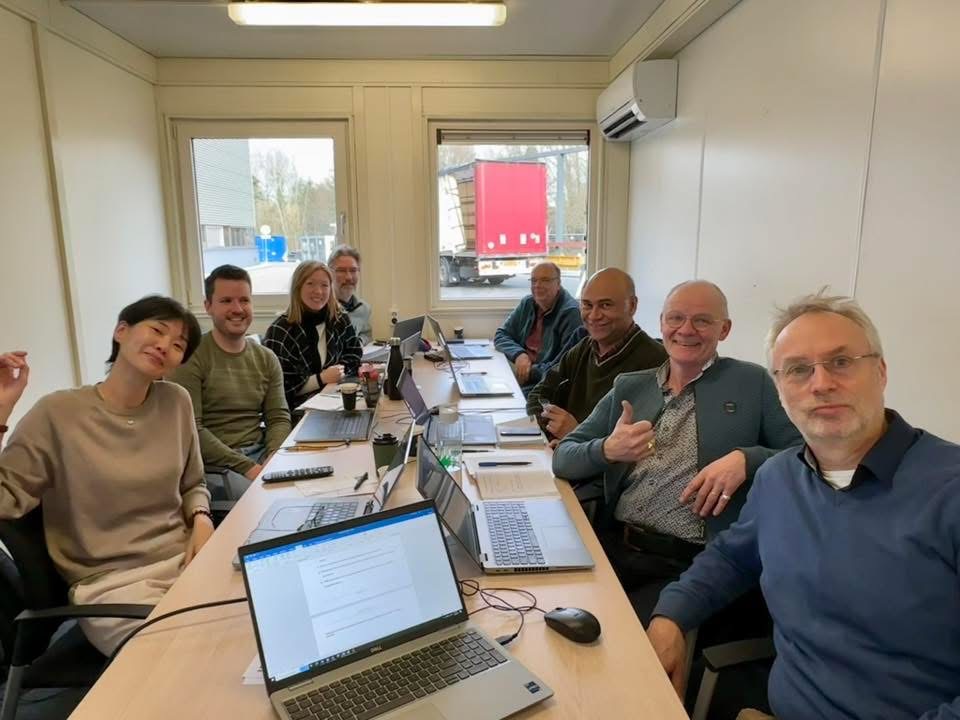
Solution: A focused, three-day ASD-STE100 training and masterclass delivered by Shufrans TechDocs to a mixed group of technical communication and instructional design professionals. The third day was exclusively for masterclass participants who had previously completed an STE course.

Results: Enhanced clarity in documentation, improved efficiency in content creation, and strengthened precision in training delivery, directly impacting product lifecycle support and global communication.


The Challenge: Precision in a World of Complex Machinery

VMI Group stands as a global leader in designing and manufacturing high-tech machinery for demanding industries, including tyre, rubber, can, and care products. Their sophisticated equipment requires technical documentation and training materials of the highest clarity and precision to ensure operational safety, efficient maintenance, and effective knowledge transfer across their worldwide customer base and internal teams.

However, as with many global enterprises dealing with intricate technology, VMI Group faced the challenge of maintaining absolute consistency and unambiguous language across their varied documentation outputs. This complexity was compounded by a diverse team of professionals involved in content creation, including:

  • Instructional Designers & Curriculum Developers: Responsible for creating training materials that must be universally understood by operators and technicians.
  • Technical Writers & Senior Technical Writers: Tasked with authoring detailed manuals, specifications, and service guides for highly specialised machinery.
  • Linguists: Critical for ensuring accuracy in content that would inevitably be translated for international markets.
  • Engineers: Providing essential technical input that needed to be integrated into clear, actionable documentation.

Inconsistencies or ambiguities in any part of this documentation chain could lead to inefficiencies, rework, increased translation costs, and, crucially, potential operational errors in the field.


The Solution: Shufrans TechDocs’ Tailored STE Training & Masterclass

VMI Group partnered with Shufrans TechDocs for a comprehensive, three-day ASD-STE100 training and masterclass. Understanding the mixed bag of roles and diverse work areas (including extrusion processes) involved, Shufrans TechDocs delivered a programme designed to provide both foundational STE principles and advanced application for VMI Group’s specific needs.

The training was structured as follows:

  • Days 1 & 2 (Core STE Training): Covered fundamental STE principles, writing rules, and controlled vocabulary. This section was open to all participants.
  • Day 3 (Masterclass for Advanced Participants): Exclusively for individuals who had previously completed an STE course, this session delved into more complex scenarios, nuanced application, and advanced best practices for implementing STE across varied technical content.

The training emphasised practical application, utilising VMI Group’s own documentation examples where relevant, to ensure immediate and tangible skill transfer. Shufrans TechDocs’ expertise in ASD-STE100 ensured that VMI Group’s teams were equipped with the latest standards and best practices.

The Results: Unifying Communication, Enhancing Operational Excellence

By undertaking the ASD-STE100 training and masterclass with Shufrans TechDocs, VMI Group achieved measurable advancements in its technical communication:

  • Enhanced Documentation Clarity: All participants gained a unified understanding and application of STE, drastically minimising ambiguity in their technical documents and training materials. This directly translates to safer and more efficient machine operation and maintenance.
  • Improved Content Efficiency: Technical writers and instructional designers could create content more quickly and with greater consistency, reducing drafting time and internal review cycles.
  • Optimised Translation Workflows: Linguists gained highly consistent and unambiguous source text, leading to faster, more accurate, and more cost-effective translations for VMI Group’s global reach.
  • Stronger Cross-Functional Understanding: Engineers and field experts, now familiar with STE, could provide more precise input, fostering better collaboration with documentation teams.
  • Accelerated Professional Development: The training upskilled a broad range of professionals, enhancing their capabilities in critical communication, which is vital for continuous improvement in a high-tech manufacturing environment.

VMI Group’s investment in STE training with Shufrans TechDocs has proven to be a strategic move, empowering their teams to produce clear, consistent, and highly effective technical documentation and training materials, thereby supporting their commitment to innovation and global operational excellence.

If your organisation faces similar challenges in global technical communication, discover how Shufrans TechDocs can help. Learn more about our ASD-STE100 training and consulting services:

🗓️ View our training calendar.

www.shufrans.com

Weatherford: Optimising Global Communication in Oilfield Services with STE

Weatherford: Optimising Global Communication in Oilfield Services with STE

Driving Unambiguous Communication for Enhanced Safety and Efficiency in Global Onshore Operations

Client: Weatherford (Global Operations)

Industry: Onshore Drilling & Energy Services

Location: Global (Online Training across Europe, US & Canada, APAC timezones)

Challenge: Ensuring consistent, unambiguous, and safe technical communication across diverse global teams and critical documentation, particularly concerning complex onshore drilling operations and other highly sensitive well completion activities.

Solution: Multiple batches of online ASD-STE100 training programmes delivered by Shufrans TechDocs, tailored for professionals across various timezones.

Results: Improved clarity and precision in technical documentation, enhanced safety protocols for critical operations, streamlined global communication, and professional development for a diverse range of technical roles.


The Challenge: Precision in High-Stakes Global Operations

Weatherford, a prominent global energy services company, operates at the forefront of onshore drilling and well completion. In such a high-stakes environment, which often involves highly sensitive downhole operations, the clarity and accuracy of technical documentation are not merely regulatory requirements but fundamental pillars of safety, operational efficiency, and environmental responsibility.

Maintaining a unified standard of communication across a globally dispersed workforce, with teams operating in different time zones (Europe, US & Canada, APAC), presents a significant challenge. Ambiguity in crucial documents, especially those related to complex drilling procedures or sensitive well completion activities, could lead to:

  • Serious safety incidents or operational errors.
  • Increased downtime and costly operational inefficiencies.
  • Misinterpretations during complex well interventions.
  • Challenges in compliance with diverse international regulations.
  • Difficulties in efficient knowledge transfer and training.

Weatherford sought a scalable solution that could standardise their technical language, ensuring every instruction was understood unambiguously, regardless of the reader’s location or native language, with particular emphasis on the critical safety aspects of their operations.

The Solution: Targeted Online STE Training for a Global Workforce

Shufrans TechDocs partnered with Weatherford to implement a comprehensive ASD-STE100 training programme delivered entirely online, accommodating their global presence and various time zones. This approach ensured accessibility and consistency across their international teams. The training was delivered in multiple batches for participants from Europe, the US & Canada, and the APAC regions.

While a significant portion of the participants were engineers, the training was highly beneficial for several other key roles crucial to Weatherford’s operations:

  • Technical Writers/Documentation Specialists: Direct authors of manuals and procedures, ensuring consistency and clarity from the source.
  • Field Service Technicians/Operators: Directly implement procedures; clear instructions are paramount for safe and effective high-risk operations.
  • Safety Officers/Compliance Specialists: Ensure adherence to safety protocols and regulatory standards, benefiting from unambiguous documentation.
  • Training & Development Personnel: Responsible for creating clear and effective training materials for new hires and ongoing professional development.
  • Supply Chain & Logistics Personnel: Who interpret specifications for equipment and materials, where precision avoids errors in ordering and handling.


The training focused on real-world application, working on the types of documents most critical to Weatherford’s operations:

  • Drilling Procedures & Protocols: For various onshore drilling techniques, ensuring step-by-step clarity.
  • Safety Procedures & High-Risk Operation Manuals: Covering all critical safety aspects, including the precise handling of specialised and sensitive materials used in well completion.
  • Tool Operation & Maintenance Manuals: For specialised drilling tools and equipment.
  • Technical Specifications & Data Sheets: Ensuring precise definitions for components and performance characteristics.
  • Emergency Response Procedures: Where immediate and clear understanding can mitigate severe risks.
  • Field Service Reports: For consistent and accurate reporting of observations and actions from the field.

The Results: Elevated Clarity, Enhanced Safety, and Optimised Global Operations

By embracing ASD-STE100 online training with Shufrans TechDocs, Weatherford achieved significant improvements across its technical communication landscape:

  • Enhanced Safety & Reduced Risk: The primary benefit, especially for sensitive and high-risk operations, was a drastic reduction in ambiguity, leading to clearer, safer operational procedures and a lower risk of misinterpretation.
  • Improved Operational Efficiency: Clearer procedures streamlined onshore drilling operations, reducing downtime and costly errors.
  • Strengthened Global Consistency: A unified language standard ensured that documentation was consistently understood by diverse teams worldwide, regardless of geographical location or native language.
  • Optimised Knowledge Transfer: Training materials became more effective, accelerating the onboarding of new personnel and improving ongoing professional development for all technical roles.
  • Facilitated Compliance: Adherence to STE principles supported compliance with stringent industry regulations and safety standards globally.

Weatherford’s investment in STE training has transformed their technical documentation into a strategic asset, reinforcing their commitment to safety, efficiency, and operational excellence across their global onshore drilling and energy services.

If your organisation faces similar challenges in achieving uncompromising clarity and operational readiness through precise communication, discover how Shufrans TechDocs can help. Learn more about our ASD-STE100 training and consulting services:

🗓️ View our training calendar.

www.shufrans.com


FNSS Defence Systems: A Look Back at Clarity and Collaboration in Ankara with STE

FNSS Defence Systems: A Look Back at Clarity and Collaboration in Ankara with STE

Strengthening Technical Documentation and Optimising Team Contribution Across FNSS's Global Defence Operations

Client: FNSS Defence Systems

Industry: Defence Manufacturing (Armoured Vehicles)

Location: Ankara, Turkey (On-site Training)

Challenge: Ensuring clarity, consistency, and precision in critical technical documentation (Maintenance Manuals, Operator Manuals, Technical Specifications) for a global defence manufacturing operation, particularly in meeting comprehensive standards like S1000D and supporting robust Integrated Logistics Support (ILS).

Solution: A three-day on-site ASD-STE100 training programme delivered by Shufrans TechDocs to at least 15 professionals across five key job functions.

Results: Achieved enhanced precision and consistency in technical documentation, leading to improved operational readiness and safety, strengthened overall technical communication for FNSS’s armoured vehicle programmes, and augmented support for their Integrated Logistics Support Plan (ILP), Integrated Product Support (IPS) initiatives, and S1000D compliance.


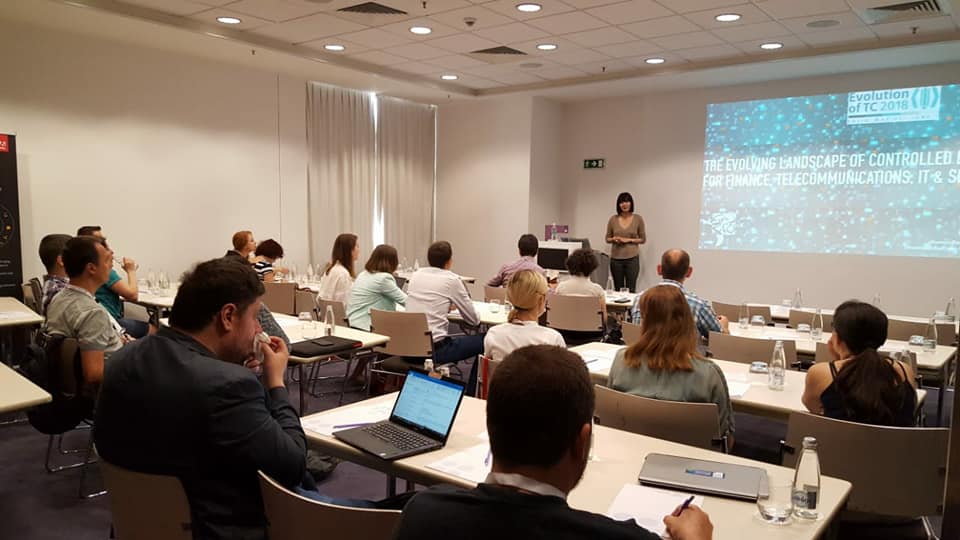
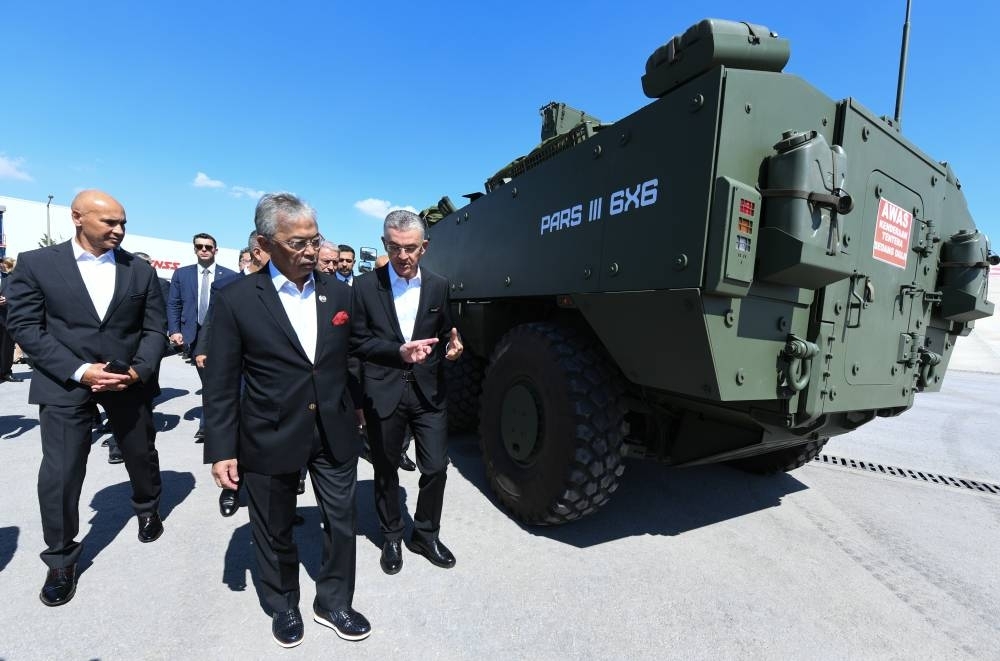
Back in the winter of 2017, the vibrant city of Ankara, Turkey, played host to a memorable collaboration focused on elevating technical communication. At the Sheraton hotel, Shufrans TechDocs had the distinct pleasure of working with at least 15 dedicated professionals from FNSS Defence Systems, a leading manufacturer of armoured vehicles. It was a three-day on-site training programme that, beyond the serious work of technical documentation, was filled with engaging discussions and a truly enjoyable atmosphere, thanks to the wonderful team from Turkey.

Our visit extended beyond the training room, offering a valuable opportunity to see the FNSS factory on the outskirts of Ankara, observing the impressive armoured vehicles firsthand. This immersive experience further reinforced the critical importance of clear and precise communication in the defence industry.

The Mission: Precision in Defence Documentation

FNSS operates in a sector where the stakes are incredibly high, and clarity in documentation directly translates to operational readiness and safety. The goal of the training was to introduce and apply ASD-STE100 Simplified Technical English (STE) principles to their existing documentation, enhancing precision and consistency across various critical materials. This is particularly vital in the context of global defence standards like S1000D and the overarching framework of Integrated Product Support (IPS), which encompasses all elements required to sustain a defence system throughout its lifecycle, including the foundational aspects of Integrated Logistics Support (ILS).


Key Document Types Transformed by STE

During the workshops, the focus was on real-world application, directly impacting some of FNSS’s most vital documentation:

  • Maintenance Manuals / Service Manuals: Essential for field engineers and technicians, STE ensures these manuals provide unambiguous, step-by-step instructions for repairs and routine servicing, directly impacting the operational uptime and longevity of armoured vehicles. These manuals are foundational to Integrated Logistics Support (ILS) and the broader IPS framework.
  • Operator Manuals / User Handbooks: These guides are crucial for military personnel operating the vehicles. STE helped to ensure that instructions on vehicle operation and integrated systems were easy to understand and execute correctly in challenging field conditions.
  • Technical Specifications / Design Documents: Fundamental for engineers and designers, STE ensures that design parameters, material requirements, and performance criteria are defined with absolute precision, supporting manufacturing accuracy and future vehicle upgrades. Clear specifications are key for S1000D data module development and overall IPS planning.

Empowering Diverse Roles with STE

The training brought together professionals from five key job functions, each gaining valuable skills tailored to their specific responsibilities:

  • Technical Writers / Documentation Experts: Directly responsible for creating and maintaining technical manuals, they refined their skills in applying STE rules for consistent and clear content, which is vital for S1000D compliance.
  • Engineers (across various disciplines): Involved in the design and development of the vehicles, they learned to contribute and interpret technical information with greater precision, ensuring alignment from concept to completion and improving inputs for ILS documentation.
  • Field Engineers: Working directly with the vehicles in operational settings, they benefited from clearer troubleshooting guides and reporting formats, improving efficiency and safety in the field, which directly contributes to ILS.
  • Quality Assurance / Quality Control Personnel: Gained tools to ensure that documentation consistently met stringent quality and compliance standards, directly reflecting in the reliability of the vehicles and adherence to specifications like S1000D.
  • Project Managers: Overseeing complex vehicle development and delivery programmes, they gained from improved clarity in all project-related documentation, helping to mitigate risks and ensure smooth execution, particularly within the framework of ILS and the Integrated Logistics Support Plan (ILP).

A Lasting Impact

Those three days in Ankara were more than just a training session; they were a testament to the universal value of clear communication and the dedication of the FNSS team. The collaborative spirit and commitment to continuous improvement demonstrated by the participants made it a truly rewarding experience. By embracing STE, FNSS further strengthened its foundation for precision and operational excellence in defence manufacturing, enhancing their Integrated Logistics Support Plan (ILP) and their capability to produce S1000D compliant technical publications.

Looking to empower your teams with unparalleled clarity in technical documentation?

Contact Shufrans TechDocs today to discuss how our bespoke ASD-STE100 training and support can benefit your organisation.

🗓️ View our training calendar.

www.shufrans.com

A Komatsu Success Story: Driving Clarity & People Development with Simplified Technical English

A Komatsu Success Story: Driving Clarity & People Development with Simplified Technical English

Empowering Teams and Optimising Documentation Across Komatsu's Global Operations

Client: Komatsu (Global Operations, focusing on Mining & Heavy Equipment)

Industry: Heavy Equipment & Mining

Challenge: Inconsistent technical documentation across diverse global teams and job roles, impacting clarity, efficiency, and knowledge transfer within the critical mining sector and wider heavy equipment operations.

Solution: Tailored ASD-STE100 (Issues 7 to 9) training and consulting by Shufrans TechDocs, delivered to various offices and specialised job roles.

Results: Significant improvements in documentation precision, streamlined processes, reduced risks, and enhanced professional development across Komatsu’s global technical communication teams, particularly benefiting their mining documentation efforts.


The Challenge: A Global Jigsaw Puzzle of Technical Communication

Komatsu, a world leader in heavy equipment and a pivotal player in the mining industry, operates with a vast and intricate global network. Ensuring absolute clarity and consistency in its technical documentation is paramount, directly impacting operational safety, efficiency, and customer satisfaction worldwide. However, with documentation teams spread across various offices and encompassing diverse job roles – from Curriculum Designers, Technical Information Engineers, Instructional Designers, Field Experts, Parts Manual Editors, Curriculum Developers, Curriculum Trainers, Translators, and Engineers – maintaining a unified voice and unambiguous standard presented a significant challenge. This was particularly acute for documentation pertaining to complex mining machinery and operational procedures.

Inconsistencies could lead to:

  • Misinterpretations of critical maintenance or operational procedures, especially for high-value mining assets.
  • Increased rework and delays in document creation and updates.
  • Higher translation costs due to varied source text.
  • Challenges in onboarding new team members to consistent communication standards.
  • Potential safety risks in the field or during equipment operation, with severe consequences in mining environments.

Komatsu sought a solution that could not only standardise their technical language but also cater to the specific needs and daily tasks of their varied documentation professionals across different regions, with a strong emphasis on their vital mining operations.

The Solution: Targeted STE Training with Shufrans TechDocs

Shufrans TechDocs partnered with Komatsu to implement a comprehensive ASD-STE100 (Issues 7 to 9) training programme tailored to their unique global requirements. Recognising that a one-size-fits-all approach would not suffice, Shufrans TechDocs delivered focused, personalised training sessions to various Komatsu offices, addressing the specific challenges faced by each job role:

  • Trainers, Curriculum Designers & Developers, Instructional Designers, Curriculum Trainers: Learnt to craft training materials and curricula that were consistently clear, concise, and easy for global learners to understand, accelerating knowledge transfer and reducing ambiguity in instructional content for both heavy equipment and specialised mining curricula.
  • Technical Publications Supervisors, Technical Information Engineers & Parts Manual Editors: Gained mastery in applying STE rules to complex technical specifications, operational manuals, and parts catalogues, ensuring precision for critical procedures and accurate identification of components, vital for the high demands of mining equipment.

  • Engineers & Field Experts: Acquired skills to contribute clear, unambiguous input for documentation and communicate technical information precisely, bridging the gap between practical knowledge and written instructions, directly enhancing safety and operational efficiency on site, especially for complex machinery used in mining.
  • Translators: Benefited from working with STE-compliant source text, leading to faster, more accurate, and more cost-effective translations due to the reduced ambiguity and increased consistency of the original English.

The training emphasised practical application, utilising Komatsu’s own documentation examples where relevant, to ensure immediate and tangible skill transfer. Shufrans TechDocs’ expertise in ASD-STE100 (Issue 9) ensured that Komatsu’s teams were equipped with the latest standards and best practices.

Testimonials

Elaine Emerson, Illustrated Parts Catalog Editor II at Komatsu, shared: “Very professional, easy to understand. Rule ‘Do not use different technical names for the same thing’ is my favorite because I find this happens frequently in our Parts books and it is frustrating. I thought the quizzes and exercises were helpful. I thought the workshop was managed very well and it exceeded my expectations. I was not looking forward to this training class, but I now hope I have the privilege to attend another one.”

Dennis Lane, Technical Editor at Komatsu Mining Corp, commented: “The training was excellent. The trainer was knowledgeable and easy to understand, ensuring all students grasped each concept and participated actively. The examples used in training were from our own documentation. As a former trainer myself, I recognise the exemplary dedication and effort that went into preparing and presenting this programme, especially to an international audience. The workshop held learners responsible for applying new knowledge, with reviews presented in a non-judgemental and supportive manner. This was a well-designed and well-executed programme.”

The Results: Unifying Communication, Enhancing Operations

By embracing ASD-STE100 training with Shufrans TechDocs, Komatsu achieved significant improvements across its technical communication landscape, with notable impacts on its documentation:

  • Enhanced Clarity and Reduced Risk: A consistent and unambiguous language standard drastically minimised misinterpretations in vital documentation, directly contributing to improved safety protocols and reduced operational errors, which are paramount in the high-risk mining sector.
  • Boosted Efficiency and Consistency: Teams could produce documentation more efficiently, with less rework, and a higher degree of consistency across all content, regardless of the author’s location or specific role.
  • Optimised Global Reach: Improved source text consistency facilitated more accurate and cost-effective translation, ensuring Komatsu’s global communications were understood without compromise.
  • Accelerated People Development: The tailored training programmes significantly upskilled documentation professionals across all roles, fostering a culture of precision writing and contributing to their long-term professional growth and career pathways within Komatsu’s global operations, including the specialised demands of mining.
  • Stronger Internal Collaboration: A shared understanding and application of STE fostered better communication and collaboration among geographically dispersed teams, benefiting cross-functional projects involving mining equipment development and support.

Komatsu’s investment in STE training with Shufrans TechDocs has transformed their technical documentation from a potential source of ambiguity into a strategic asset, reinforcing their commitment to excellence in safety, efficiency, and global operations. This success story underscores the power of targeted professional development in driving critical operational improvements.

If your organisation faces similar challenges in global technical communication, discover how Shufrans TechDocs can help. Learn more about our ASD-STE100 training and consulting services:

🗓️ View our training calendar.

www.shufrans.com

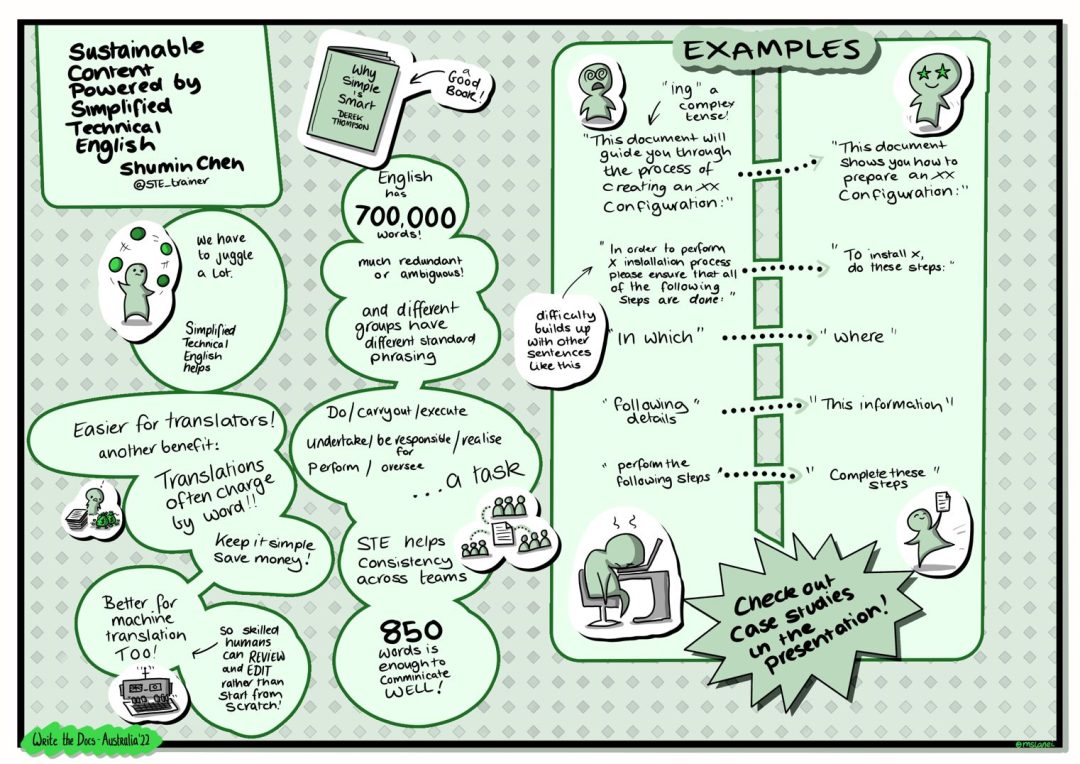
The Strategic Clarity of Simplified Technical English: Why Less Grammar Means More Precision

The Strategic Clarity of Simplified Technical English: Why Less Grammar Means More Precision

In the complex world of technical documentation, the pursuit of clarity is paramount. Yet, many still perceive “simplified” language as a reduction in sophistication. However, for those familiar with ASD-STE100 Simplified Technical English (STE), its precisely defined grammar—particularly the constrained use of verb tenses—is not a limitation, but a powerful feature designed to eliminate ambiguity and minimise errors.

At the heart of STE’s effectiveness is its disciplined approach to verb tenses. Unlike the vast array of options in general English, STE limits writers to a specific, unambiguous set: Present Tense, Past Tense, Infinitive, Future Tense, Past Participle (used as an adjective), and the Imperative. This intentional restriction drives immense benefits across an organisation, impacting everything from operational efficiency to strategic communication.

Precision for the Front Lines: How Limited Tenses Empower Technicians and Engineers

For the individuals directly interacting with products, machinery, and complex systems—your technicians and engineers—the clarity afforded by STE’s simplified tenses is transformative. When every instruction must be perfectly understood, ambiguity can lead to costly errors, safety hazards, and downtime.

  • Reduces Ambiguity: Complex or rarely used tenses in general English can lead to different interpretations, especially for non-native English speakers. By using simpler, direct tenses, STE ensures that instructions in maintenance manuals, operational procedures, and troubleshooting guides are understood universally and unequivocally. “PRESS THE START BUTTON” leaves no room for doubt about the action or its timing.
  • Faster Comprehension: Less cognitive load means quicker understanding. Engineers and technicians can rapidly grasp instructions without needing to parse intricate grammatical structures, leading to more efficient task execution.
  • Minimises Operational Mistakes: Clear, unambiguous commands directly translate to fewer errors in the field. This is critical in safety-sensitive industries, where a single misinterpretation can have severe consequences. Simplified tenses mean the intent of the author is preserved, every time.
  • Improved Efficiency: Time spent deciphering poorly written documents is time wasted. STE’s simplified tenses enable a smooth workflow, allowing technical staff to focus on their core tasks rather than struggling with linguistic complexities.

Elevating Insights: STE in White Papers and Technical Reports 

There’s a common misconception that simplification equates to “dumbing down” content, particularly in high-level documents like white papers and technical reports where managers seek sophistication. However, the true sophistication in such documents lies in precision, conciseness, and impactful clarity, not linguistic embellishment. STE’s principles, including its tense limitations, enhance these qualities.

  • Enhanced Precision: By advocating for direct statements and avoiding vague phrasing, STE encourages writers to express technical concepts with utmost accuracy. This avoids misinterpretation of data, findings, or recommendations. A report written in STE is lean, impactful, and analytically rigorous, free of unnecessary complexity.
  • Improved Readability for Decision-Makers: Managers and executives are busy. They need to quickly extract key insights and make informed decisions. Reports that are direct, factual, and easy to consume—thanks to simplified tenses and consistent vocabulary—facilitate faster understanding, leading to more timely and effective strategic choices.
  • Stronger Argumentation: When ideas are presented with unambiguous language, arguments become more compelling and defensible. The focus shifts from deciphering the writing style to understanding the presented facts and analysis.
  • Increased Credibility: Documents free from grammatical slips, awkward phrasing, or linguistic ambiguities inherently appear more authoritative and trustworthy. This bolsters the credibility of the presented technical concepts and the expertise of the authors.

Broadening Reach: The Usefulness of STE in Marketing and Corporate Communication

While STE is a controlled language for technical documentation, its underlying principles of clarity, conciseness, and consistent messaging are invaluable in broader communication contexts for technical industries and businesses. Applying STE’s ethos to marketing and corporate communications can significantly enhance their effectiveness.

  • Marketing & Product Communication: For technical products, clearly articulating features and benefits to a diverse audience (both technical and non-technical) is crucial. Simplified language in marketing materials, product descriptions, and user guides ensures that the value proposition is immediately understood, reducing customer support queries and increasing user adoption.
  • Consistent Brand Voice: Adopting a “simplified English” approach, informed by STE principles, ensures a consistent and approachable voice across all internal and external communications. This is particularly important for global companies where messaging can get diluted or misinterpreted across different regions and languages.
  • Enhanced Internal Communication: From HR policies to inter-departmental memos and internal training materials, applying principles of clarity and conciseness ensures that all employees—regardless of their primary language or technical background—understand critical information, fostering a more efficient and cohesive workforce.

The Verdict: Strategic Simplicity for a Complex World

The strength of ASD-STE100 Simplified Technical English lies not in dumbing down complex ideas, but in stripping away linguistic barriers that hinder comprehension and introduce errors. Its disciplined approach to verb tenses is a prime example of how structured simplification leads to profound gains in clarity, accuracy, and efficiency across an entire organisation. From the factory floor to the boardroom, and across your marketing efforts, leveraging STE is a strategic investment that pays dividends in reduced costs, improved safety, and enhanced global reach.

Ready to unlock the full potential of your organisation’s knowledge assets? Explore Shufrans Techdocs worldwide online instructor-led training sessions. We equip your professionals with the practical skills to implement STE, enabling them to create precise, compliant, and highly effective documentation. Plus, you’ll benefit from 120 days of post-training support to ensure lasting success.


Ready to explore how human expertise and strategic frameworks like STE can elevate your technical communication? Connect with Shufrans TechDocs today.

🗓️ View our training calendar.

www.shufrans.com