STE Archives | Page 2 of 3 | Shufrans TechDocs Home // STE Archives | Page 2 of 3 | Shufrans TechDocs

Instructor-led Simplified Technical English (STE) training worldwide

Instructor-led Simplified Technical English (STE) training worldwide

Instructor-led training: We offer more than just a training service

  1. Are you a manager who has to constantly worry about the varying technical English proficiency levels of your staff?
  2. As an engineer, are you facing difficulties explaining your concepts to your technical writing team?
  3. In your role as a technical communicator, do you often struggle to convert complex ideas into brilliant content?

If you answered yes to any of the above, join us at the next instructor-led Simplified Technical English training workshop sessions online:

Write effective user manuals & instructions with Simplified Technical English

Length of training: 2 to 3 days

Course registration ends one week before training commences

Shufrans’ ILT STE workshop sessions are an effective means of delivering information, as they allow for real-time feedback, questions and answers, manipulation, and changeable delivery to suit the needs of learners in a conducive learning environment. ILT is also the most widely-used method for extended enterprise training, which trains customers and partners, with an 80% usage rate.

STE stands for Simplified Technical English. It offers native & non-native English speakers alike an efficient platform to improve your technical English language competency when writing for a global audience.

  1. For technical writers: simplified wording and grammar will improve readability and safety compliance of your documentation and product respectively.
  2. For engineers and programmers: Breeze through the writing of test cases, technical documents, and business emails in a highly standardised and regulated manner. STE opens up effective communication channels, hence avoiding potential miscommunication issues at work while improving the overall professional impression that you portray.
  3. For translators, translation PMs, and localisation engineers: With STE working for your team in the background, you can streamline your preparation of translation memory/terminology based on leaner documentation, lowered translation & localisation costs, and faster delivery.
  4. For LSPs and technical writing services companies: Diversify your business portfolio with an in-depth knowledge of STE as an international controlled English language standard.

Online Simplified Technical English Programme Highlights

  1. Highly efficient: We will cover all 382 pages of the ASD-STE100 Specification in two days for immediate implementation.
  2. Practicality: cross-industry cases sharing by trainers with excellent pragmatic approach.
  3. Follow-up period: 4-month post-training consultation starts immediately after the training to ensure a seamless transition to STE writing at work.
  4. Experienced trainer: Ms Shumin Chen, Co-founder & Head of ASD-STE100 training & implementation of Shufrans TechDocs.

Our Training Service Package guarantees the following:

  1. Reduces your content development time and efforts
  2. Significantly lowers post-processing (e.g. translation) cost
  3. One-stop content quality solution
  4. Overall quality improvement.

Instructor-led training (ILT) represents 66% of corporate training and development; it reaches 76% in high-performing companies and 80% in high-consequence industries: healthcare industry, pharmaceutical industry, finance, utilities, etc.


Europe Online STE Workshop: 2-day Training Course

Europe Online STE Workshop: 2-day Training Course

Write effective user manuals & instructions with Simplified Technical English

Europe Online STE Workshop

Dates: 16 & 17 January 2020

Plan later: 

  1. 30 & 31 January 2020
  2. 11 & 12 February 2020.

Time: 09:00 to 17:00 Central European Time [Europe]

Length of training: 2 days

Course registration ends one week before training commences.

**Course fee includes exercises, learning aids, certificate of completion, and 90-day post-training support.

Summary of Simplified Technical English (STE)

Simplified Technical English (STE) or ASD-STE100 is a controlled language that is used to write technical manuals in such a way that they can be more easily understood by an international audience. STE helps to make translations cheaper and more accurate. Often a formal requirement for aircraft and defence maintenance documentation, STE can easily be adapted to all technical industries and beyond. Ms. Shumin Chen will teach participants how to correctly and effectively use STE in practice. She will also address some of the mistakes commonly found in technical writing and the frequently incorrect use of common STE writing rules.

Shumin gave us a an all-rounded presentation to Simplified Technical English. Personally, rule 1.3: To use only approved words with their approved meaning holds the key to successful controlled language implementation. Rules 3.4, 3.6, 4.1, 5.3, and 5.5 are also among my favourites. The approved verb TO MAKE SURE THAT can come in very handy for technical writers as well. The presentation of STE rules offers quite a detailed overview that includes not only language rules but good, old technical authoring principles in general. It has been very helpful for us to learn and understand the concept of STE. I have found Shumin to be very competent in STE and will definitely recommend her course! Eric, Head of Corporate Technical Documentation (CTD), Schindler Group.

STE Course Outline*

This 2-day Europe Online STE Workshop includes interactive training and exercises.

  • Day 1: Classroom Training
    1. Practical overview of Simplified Technical English
    2. How STE helps both native & non-native speakers of English
    3. Benefits of adopting the STE international writing standard
    4. Writing rules and how to apply them in practice
    5. How to use the general vocabulary.
    6. Approved and non-approved words discussion and the rationale behind.
  • Day 2: Application, Review, & Exercises
    1. How to deal with industry-specific terminology
    2. How to use STE for various documentation types
    3. How to implement STE with minimal disruption to on-going production and existing documentation
    4. Practical workshop session for applying STE rules to your own documents
    5. Review, edit, and discuss participants’ own documents to reinforce learning
    6. Classroom presentation of own documents.

* Shufrans also offers customised ASD-STE100 training solutions tailored to meet your specific requirements. These courses are normally provided at the customer’s premises.

The presentation on rules clarified a lot of things of which I was unaware. I have a much better understanding of how to format lists with colons, when to use obey vs. comply, and the differences between notes, cautions, and warnings. Moving forward, I will be able to utilize the ASD-STE rules more effectively to write better documents. Lauren Gelli, Senior Technical Writer, Aerotech Inc.

Who should attend this technical writing workshop?

  • Compliance managers
  • CIO, COO, CTO
  • Customer support managers
  • Documentation managers
  • Editors
  • Engineering managers
  • Engineers and SMEs who create documentation
  • Graphics specialists
  • ILS managers
  • Maintenance managers
  • Operation managers
  • Product managers
  • Project managers
  • Quality managers
  • Software research engineers
  • Technical illustrators
  • Technical writers
  • Translation managers
  • Translators.

What technical writing outcomes to expect?

Our interactive training, exercises and workshop, will teach participants to standardise content to:

ASD-STE100 Trainer’s qualifications

Ms. Shumin Chen, principal trainer & consultant at Shufrans TechDocs received her professional on-the-job training in the field of STE under the tutelage of Dr Frans Wijma, a linguist and documentation expert. Together as an experienced global team, they provided their combined knowledge and dedication to benefit customers worldwide. To date, they have provided training and consultancy services to over 200 companies. Shufrans TechDocs is the only company with such vast experience in providing certified STE training.

Shumin has supported various companies with their STE and other documentation needs, based on standards where possible. Although STE was developed for the aerospace industry, more specifically for aircraft maintenance documentation, she found that it made a lot of sense to apply the same principles to other industries and types of documents as well. Few -if any- changes to the specification are necessary to adapt STE to industrial sectors ranging from machinery to IT, automotive to medical equipment.

Simplified Technical English STE examples


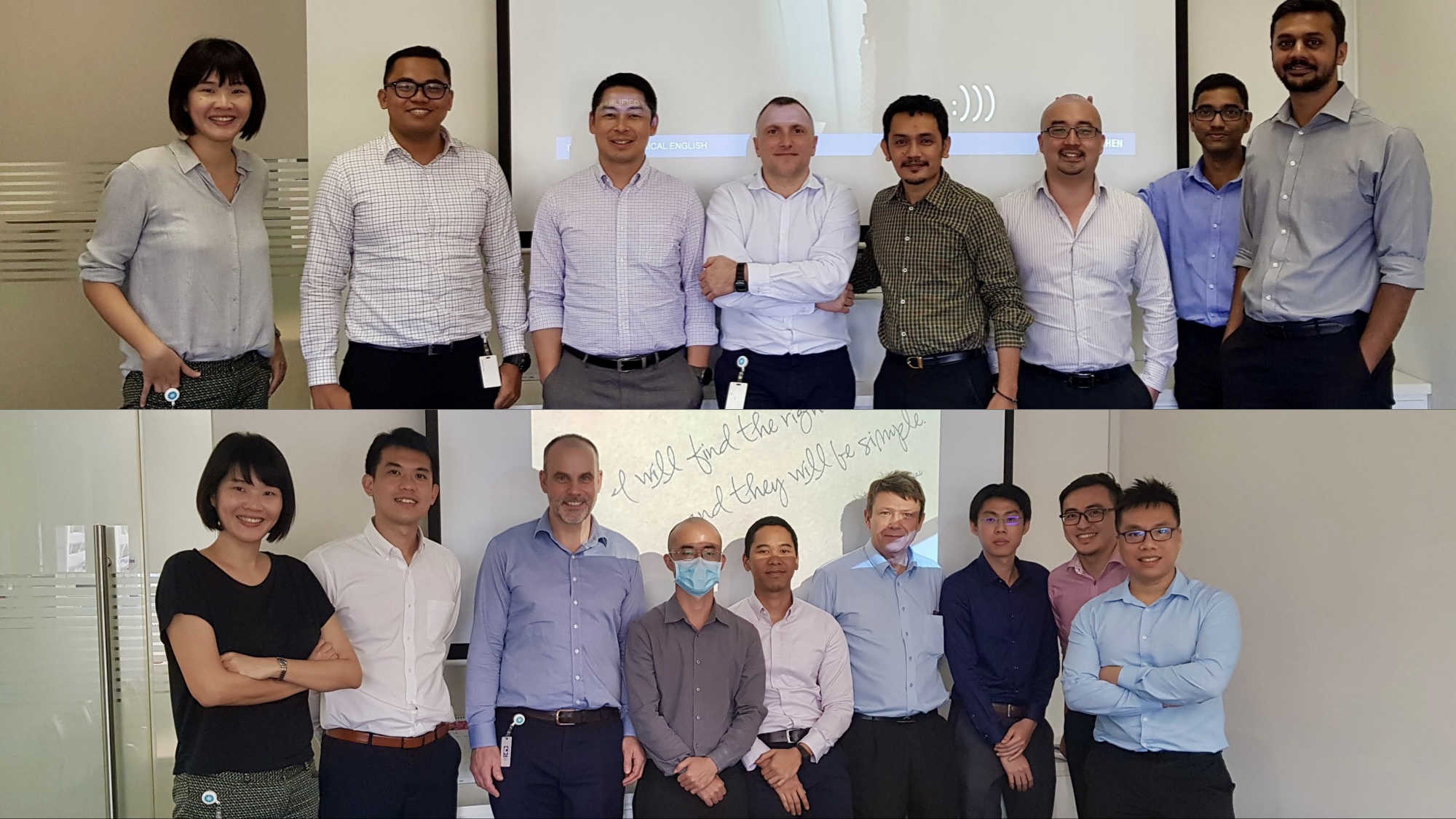
Empowering Excellence: Shufrans TechDocs’ STE Impact on Maersk Drilling Maintenance Support

Empowering Excellence: Shufrans TechDocs’ STE Impact on Maersk Drilling Maintenance Support

Enhancing Teams and Optimising Documentation Across Maersk Drilling Maintenance Support's Global Offshore Operations

Client: Maersk Drilling Maintenance Support (MDMS)

Industry: Offshore Drilling

Location: Singapore (On-site Training)

Challenge: Inconsistent technical documentation and a need to improve the standard of maintenance instructions for end-users, affecting safety and compliance.

Solution: Comprehensive on-site ASD-STE100 training and half a year of dedicated on-site technical writing support.

Results: Significant improvement in technical writing standard, enhanced clarity in documentation, and strengthened operational safety and compliance through precise communication.


In the demanding environment of offshore drilling, precision in communication is not merely beneficial; it is fundamental to operational safety and strict compliance. Shufrans TechDocs partnered with Maersk Drilling Maintenance Support (MDMS) to address this critical need by providing comprehensive support in Simplified Technical English (STE).

Over 20 personnel from MDMS participated in this transformative programme, which was designed to significantly improve their technical writing standard and enhance overall clarity in documentation for end-users.

How STE Improves Safety and Compliance

The offshore drilling industry operates with complex machinery and high-risk procedures. Ambiguity in technical documentation can lead to severe consequences. STE directly tackles these challenges by:

  • Reducing Ambiguity: STE’s controlled vocabulary and stringent writing rules eliminate phrases that can have multiple interpretations. This ensures that critical instructions, whether in maintenance procedures or safety guidelines, are understood uniformly by every individual, regardless of their native language or technical background, thereby minimising human error.
  • Improving Clarity for Critical Procedures: By enforcing concise sentences, active voice, and a single instruction per sentence, STE makes complex procedural steps easy to follow. In high-pressure situations on a rig, such clear, unambiguous steps are vital for correct and safe execution.
  • Ensuring Consistency: STE promotes the consistent use of terminology for equipment, processes, and actions across all documentation. This reduces confusion, streamlines training, and makes it simpler for personnel to find and apply correct information, which is also crucial for regulatory compliance.
  • Facilitating Compliance: Many industry standards and regulations implicitly or explicitly require clear, unambiguous documentation. Adhering to STE allows companies to more easily demonstrate compliance, reducing the risk of non-conformance and associated penalties.
  • Streamlining Audits and Investigations: In the event of an incident, clear and consistently written documentation is essential for accurate investigations. STE-compliant documents make it easier to trace actions, understand procedures, and identify root causes, supporting both compliance efforts and continuous improvement.
  • Enhancing Equipment Service Descriptions (CMMS): STE principles directly support the creation of precise and consistent equipment service descriptions for Computerised Maintenance Management Systems (CMMS). As per Maersk Drilling’s guidelines (e.g., Process Instructions), these descriptions must be accurate, consistent, and limited to 40 characters, structured by elements such as Noun, Type, Function, Main Equipment/System, and Physical Location. STE’s emphasis on controlled vocabulary, direct language, and conciseness significantly aids in:
    • Achieving Brevity and Precision: STE’s rules promote succinct phrasing, helping adhere to character limits while maintaining clarity.
    • Standardising Terminology: By using approved words consistently for nouns, types, and functions, STE ensures descriptions are uniform, improving searchability and avoiding duplicates in the CMMS.
    • Eliminating Ambiguity: Clear, unambiguous language guarantees that each component of the description is understood precisely, which is critical for accurate equipment identification and effective maintenance planning.

Relevance Across Job Roles

The STE standard proved highly relevant for various specialists within MDMS, directly impacting their daily tasks:

  • Marine Superintendents: Gained clarity in documentation related to vessel stability, mooring operations, and navigational procedures, reducing the risk of errors in critical marine operations.
  • Technical Coordinators: Benefitted from unambiguous documentation for planning and overseeing maintenance, ensuring correct parts procurement and procedure execution, thus optimising uptime and reducing costly rework.
  • Equipment Support Coordinators: Found STE invaluable for understanding equipment specifications, troubleshooting guides, and spare parts information, leading to more efficient equipment sourcing and improved support for the rigs. This also directly applies to creating and interpreting precise CMMS equipment service descriptions.
  • Senior Superintendents: As leaders of operational teams, STE provided the linguistic consistency needed to ensure their crews understood and followed procedures perfectly, fostering a culture of safety and precision.
  • Technical Inspectors: For inspection protocols and reporting, STE ensured that observations and requirements were recorded with absolute clarity, leaving no room for misinterpretation during audits or follow-up actions.

Key Inspection Standards Enhanced by STE

Beyond general procedures, Shufrans TechDocs’ STE training also covered specific inspection methodologies crucial for maintaining offshore rig integrity, as exemplified in Maersk Drilling’s Valve Overhaul documentation. Clarity in these areas directly impacts safety and compliance:

  • API (American Petroleum Institute) Requirements/Reporting: In the context of critical equipment like well control components, adherence to API standards is paramount. STE ensures that all well control equipment failures are reported to the OEM precisely and accurately, as mandated by API guidelines. This systematic reporting fosters industry-wide learning and continuous safety improvements.
  • LPI (Liquid Penetrant Inspection): This Non-Destructive Testing (NDT) method is used to identify surface-breaking flaws such as cracks or porosity in non-porous materials. During valve overhauls, STE ensures the step-by-step instructions for performing LPI (e.g., on valve components after cleaning) are crystal clear, guaranteeing accurate detection of defects that could compromise safety.
  • MPI (Magnetic Particle Inspection): Another vital NDT technique, MPI detects surface and near-surface flaws in ferromagnetic materials. For steel valve components, STE ensures that instructions for conducting MPI are unambiguous, allowing inspectors to precisely identify hidden defects. The clear documentation of these procedures is critical for preventing in-service failures of high-pressure components.

Improved Document Types

Shufrans TechDocs specifically focused on enhancing the following crucial document types for offshore rigs:

  • Standard Operational Procedures (SOPs) / Standard Job Procedures (SJPs): This included critical well control procedures, paramount for managing well pressure and preventing blowouts, where absolute clarity is non-negotiable for safety.
  • Well Control Equipment PM (Preventative Maintenance) documents: Ensuring that maintenance on vital well control equipment is performed correctly and consistently, which directly impacts equipment reliability and overall safety.
  • General Maintenance Instructions: Improving the clarity of routine and complex repair procedures for various rig equipment, making operations more efficient and less prone to error.

The support programme included three intensive on-site STE workshops and half a year of dedicated on-site technical writing assistance, demonstrating Shufrans TechDocs’ commitment to long-term client success. By implementing STE, MDMS has significantly enhanced its technical communication, contributing to a safer, more efficient, and more compliant operational environment.

Ready to transform your technical documentation for enhanced safety and compliance? Contact Shufrans TechDocs today to learn how our specialised STE training and support can benefit your organisation.

🗓️ View our training calendar.


www.shufrans.com

Simplified Technical English workshop in Shanghai, China, July 2018

Simplified Technical English workshop in Shanghai, China, July 2018

Quick facts

Date: 15 & 16 July 2018

Location: Shanghai, China

Length of training: 2 days

Deadline: 2 July 2018

Summary

ASD-STE100 Simplified Technical English (STE) is a controlled language that is used to write technical manuals in such a way that they can be more easily understood by an international audience. STE helps to make translations cheaper and more accurate.

This three-day professional training course is intended for technical authors to familiarise themselves with the ASD-STE100 controlled language specification through a series of classroom- and workshop-type instruction and interaction.

STE improves quality, both in the aviation and defence industries, where it is often mandatory for safety & security reasons, and in any other technical industries. 

We use the latest version of the ASD-STE100 specification: Issue 7, January 2017.

Course outline*

  • Practical overview of ASD-STE100 Simplified Technical English
  • How STE helps both native & non-native speakers of English
  • Writing rules and how to apply them in practice
  • How to use the general vocabulary
  • How to deal with industry-specific terminology
  • How to use STE for various documentation types
  • How to implement STE with minimal disruption to on-going production and existing documentation
  • Hands-on STE editing and review

* Shufrans also offers customised ASD-STE100 training solutions tailored to meet your specific requirements. These courses are normally provided at the customer’s premises.

“The introduction to the ASD-STE100 gave me a nice and clear overview of what to expect in the two training days that followed. Consistent language and spelling in STE are the rules I like best. The list of approved and unapproved verbs was a nice surprise for me. Shumin gave a highly practical STE training using relevant and pragmatic examples that relate closely to our field of work.” Maikel Kornuit, Technical Author, Triview.

This training workshop is organised in collaboration with Talent of Content our preferred training partner in mainland China.

Who should attend?

  • Compliance managers
  • CIO, COO, CTO
  • Customer support managers
  • Documentation managers
  • Editors
  • Engineering managers
  • Engineers and SMEs who create documentation
  • ILS managers
  • Maintenance managers
  • Operation managers
  • Product managers
  • Project managers
  • Quality managers
  • Technical writers
  • Translation managers
  • Translators

What will I learn?

Ms. Shumin Chen will teach participants how to correctly and effectively use STE in practice. She will also address some of the mistakes commonly found in technical writing and the frequently incorrect use of common STE writing rules.

Our interactive training, exercises and workshop, will teach participants to standardise content to:

  • Author more efficiently
  • Communicate more effectively with a global audience
  • Improve operational safety
  • Reduce AOG / downtime
  • Facilitate modular writing and reuse
  • Facilitate teamwork
  • Facilitate translation
  • Maximise consistency
  • Optimise product lifecycle support
  • Reduce the cost of creating and maintaining technical publications

Trainer’s qualifications

Ms. Shumin Chen, principal trainer & consultant at Shufrans TechDocs received her professional on-the-job training in the field of STE under the tutelage of Dr Frans Wijma, a linguist and documentation expert. Together as an experienced global team, they provided their combined knowledge and dedication to benefit customers worldwide. To date, they have provided training and consultancy services to over 180 companies. Shufrans TechDocs is the only company with such vast experience in providing certified STE training.

Shumin has supported various companies with their STE and other documentation needs, based on standards where possible. Although STE was developed for the aerospace industry, more specifically for aircraft maintenance documentation, Shumin found that it made a lot of sense to apply the same principles to other industries and types of documents as well. Few -if any- changes to the specification are necessary to adapt STE to industries ranging from machinery to IT, automotive to medical equipment.

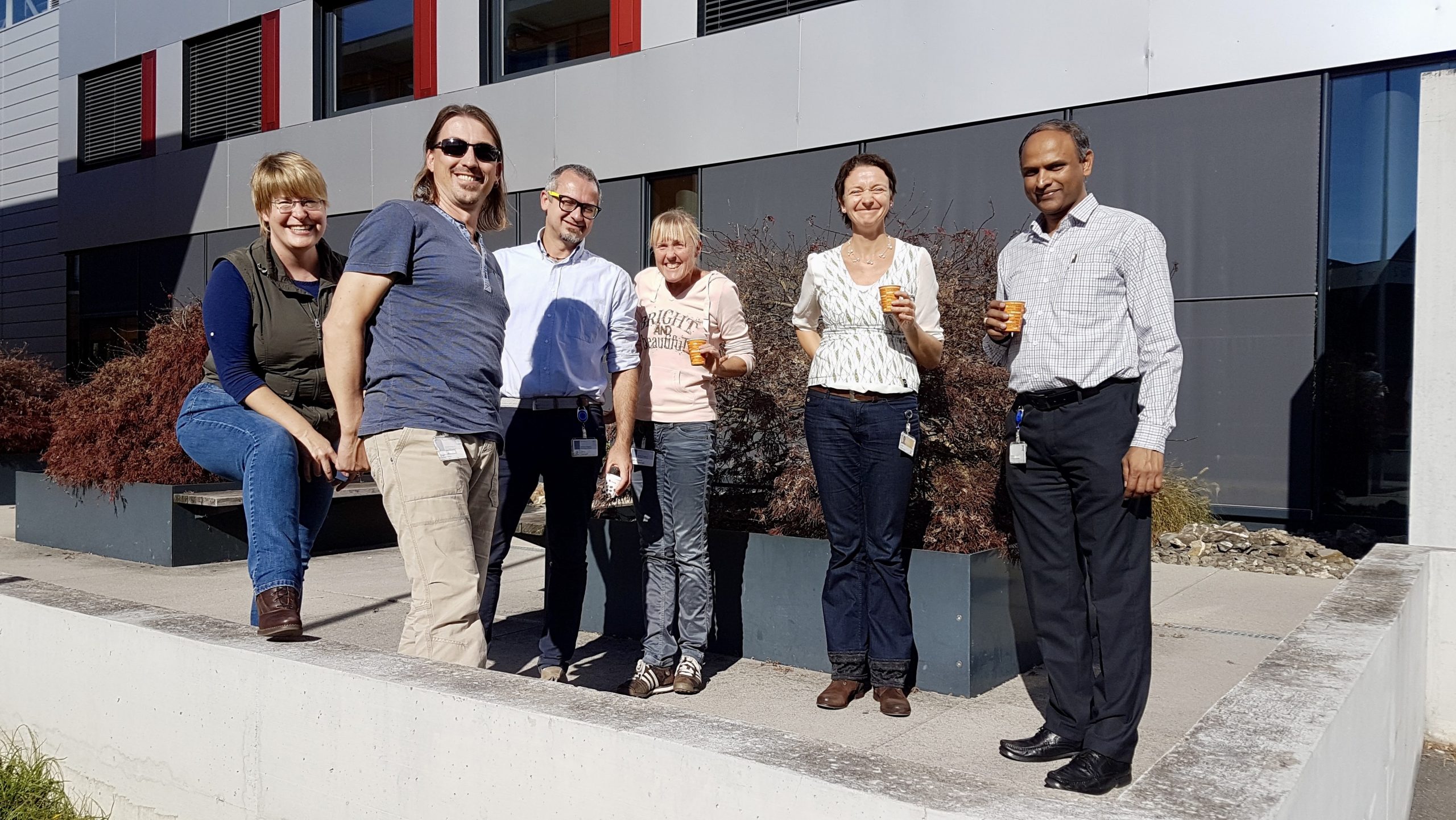
Case Study: Achieving Clarity and Consistency in Technical Documentation for Schindler Elevators

Case Study: Achieving Clarity and Consistency in Technical Documentation for Schindler Elevators

A Strategic Approach to Unambiguous Communication and Operational Excellence

Industry: Urban Mobility (Elevators, Escalators, Moving Walks)

Client: Schindler Group

Training Locations: Ebikon, Switzerland (on-site) & Shanghai, China (online)

Service Provided: Simplified Technical English (STE) Training & Documentation Rewriting

Introduction

Clear, unambiguous, and consistent technical documentation is paramount in the complex and safety-critical world of urban mobility. This case study highlights a successful engagement with Schindler Group, a global leader in elevators, escalators, and related services, focused on achieving their technical communication through comprehensive Simplified Technical English (STE) implementation.

Client Background

Schindler Group, headquartered in Ebikon, Switzerland, is renowned for its innovative and sustainable mobility solutions. With a vast international presence and a diverse workforce, ensuring that technical manuals, maintenance procedures, and product documentation are universally understood is a strategic imperative, particularly for safety and operational efficiency.

The Challenge

Prior to the engagement, Schindler, like many multinational corporations, faced the inherent challenges of technical documentation:

  • Ambiguity: Standard English, with its rich vocabulary and complex grammatical structures, can lead to misinterpretations, especially among non-native English speakers.
  • Inconsistency: Multiple authors and external vendors, potentially across different regions, could result in varied writing styles and terminology, hindering clarity and increasing translation costs.
  • Translation Efficiency: Complex source texts often led to higher translation costs and potential errors in localised versions, impacting global operations.
  • Safety Criticality: In the elevator and escalator industry, any misunderstanding in technical instructions can have severe safety implications.

Schindler recognised the need for a standardised approach to technical English to mitigate these risks and improve the overall quality and efficiency of their documentation.

Phase 2: Document Rewriting and Refinement Following the initial training, a direct engagement commenced with key personnel to apply STE principles to existing documentation. This involved close collaboration with:

  • Principal Corporate Technical Author: To ensure the practical application of STE rules and to establish internal champions for the standard.
  • Head of Corporate Technical Documentation: To oversee the strategic implementation and integration of STE into Schindler’s documentation workflows.

This hands-on rewriting process ensured that the theoretical knowledge gained during training was immediately put into practice, demonstrating tangible improvements in clarity and consistency.

Phase 3: Global Expansion of Training Recognising the success and the need for global consistency, the training was extended to other critical regions. A dedicated online training session was conducted for:

  • Corporate Technical Documentation colleagues in Shanghai, China: This expanded the reach of STE adoption, ensuring that documentation produced in a key international hub also conformed to the new global standard.

www.shufrans.com

Key Stakeholders and Organisational Impact

The success of this initiative was a testament to the collaborative effort across various departments and external partners, demonstrating how STE benefits different parts of the organisation:

  • Leadership and Management: Gained strategic alignment and understanding of STE’s business value in achieving safety, efficiency, and global reach.
  • Engineering and Product Development Teams (including Subject Matter Experts): Benefited from improved clarity in technical specifications, design documents, and maintenance requirements, ensuring precise input and reduced ambiguity from the source.
  • Technical Documentation Teams (in-house and external partners): Acquired practical skills in applying STE rules, leading to more consistent, unambiguous, and efficient content creation for manuals, procedures, and other technical assets.
  • Terminology and Language Specialists: Enhanced their ability to manage and control technical vocabulary, ensuring consistency across all documentation and facilitating improved translation quality.
  • Translation Teams: Experienced streamlined translation processes due to the reduced ambiguity and increased consistency of STE-compliant source texts.

Results and Impact

The implementation of STE at Schindler Group yielded significant benefits:

  • Achieved Clarity and Readability: Documents became easier to understand for a global audience, including non-native English speakers, reducing the risk of misinterpretation.
  • Improved Consistency: A unified writing style and controlled vocabulary ensured consistency across all technical documentation, regardless of the author or origin.
  • Increased Efficiency: Streamlined writing processes and clearer source texts led to more efficient documentation creation and review cycles.
  • Reduced Translation Costs: The unambiguous nature of STE significantly lowered translation costs and improved the quality of translated materials.
  • Strengthened Safety: By eliminating ambiguity in critical instructions, the overall safety of operations and maintenance procedures was achieved.


Testimonials

This impact was echoed by participants:

Roland Kiser, Terminology Coordinator at Schindler, noted: “This course shares a good overview of structure, purpose, history, and contextual information about STE. The limited vocabulary and restricted list of words, short sentence constructions, active voice, and imperative verb usage are valuable takeaways messages to act upon in Simplified English. The examples used in this training are quite realistic and it is very likely that I will recommend this STE training to someone else.”

Cécile Roos, Corporate Translation Manager, added: “Entertaining, short, and clear presentation of the STE specification and rule sets. Overall, a good mix of rules, examples, and exercises. The course was very much on point and encouraged me to write in a more structured way. This will help the readers to properly understand my message even in business writing. Shumin had a very calm way of leading all of us through the training. Her style of teaching is rather empathetic and she keeps the group working effectively with timely breaks in between. Thanks Shumin for an enjoyable course with the perfect score of 10/10 in terms of trainer evaluation.”

Marco Valtangoli, Senior Corporate Technical Author at Schindler, also provided valuable feedback: “A very important and highlighted point during the introduction is that STE is an English language specification that is not only applicable for companies in the aerospace & defence industry. Rule 5.2 where you only have one instruction per sentence is important to us. Not being able to use the verb “CHECK’ that is only used as an approved STE noun poses a challenge to me all the time. I really appreciate the STE writing rules that give us the possibility to improve the consistency of our documents. The workshop exercises were of high interest value and drive home the point that it is important to learn by doing. Although a time-consuming process, the writing workshop impressed on me that the need to prioritise the analysis of our internal documents. Shumin is a competent trainer who does not only focus on explaining and enforcing the “writing rules”, but is always available to understand and empathise with the training needs of the class.”

Conclusion

The comprehensive STE training and document rewriting initiative with Schindler Group stands as a strong example of how strategic investment in technical communication can drive operational excellence, improve safety, and foster global consistency within a leading industrial enterprise. By empowering their diverse teams with the tools and knowledge of Simplified Technical English, Schindler reinforced its commitment to delivering clear, reliable, and high-quality documentation worldwide.

If your organisation faces similar challenges in achieving uncompromising clarity and operational readiness through precise communication, discover how Shufrans TechDocs can help. Learn more about our ASD-STE100 training and consulting services:

🗓️ View our training calendar.


TCTrainNet adds training unit on Simplified Technical English

TCTrainNet adds training unit on Simplified Technical English

First published in tcworld Magazine for international information management, April 2017

“As a technical writer, your main task is to transfer technical information to users in a clear way to help prevent user errors. In global organizations, a large amount of user information is written in English, with STE (Simplified Technical English) playing an important role as an international standard. Professional technical writers have a lot to gain by using this standard to communicate and be understood accurately worldwide.

That is why TCTrainNet has added a new training unit on STE that has been developed by our experts! In this new unit, you will get an overview of more than 60 rules that will help improve your writing skills.”

Join a certified ASD-STE100 Simplified Technical English training workshop in Auckland, New Zealand

Join a certified ASD-STE100 Simplified Technical English training workshop in Auckland, New Zealand

Quick facts

Dates: 19 – 20 April 2017

Location: Auckland, New Zealand

Length of training: 2 days

Fee: 1,850 NZD

Early bird registration: Before 28 March 2017

Sign up early to enjoy a 20% training discount

Deadline for registration: 10 April 2017

Summary

Simplified Technical English (STE) stresses on the use of unambiguous terminology where one word only has one meaning. This reduces the likelihood of using synonymous terms that can result in confusion. Optimum re-usability of technical terms on the word, phrase, and sentence levels is to be expected. This will greatly improve any product life-cycle management process.

Technical documentation that is written in STE becomes easier for non-native speakers of the English language to understand. The resulting text is much easier to translate which is especially relevant when machine translation is part of your localization strategy. Preparing your technical content with ASD-STE100 ensures quality at the source and prepares you for future-proof translation processes.

Said Ms Shumin Chen, principal ASD-STE100 trainer: “The benefits of implementing and writing in Simplified Technical English (STE) are manifold – audience engagement through high-quality content, improved product safety, lower life cycle cost and reduced logistics footprint!”

“The ASD-STE100 course I attended by Shumin was very intensive yet enjoyable. Besides the standard format and company templates used when creating documentation, STE rules helped me understand that there is an alternative approach to technical writing. Top Qualities: Effective, versatile, high-quality training delivery.” Manufacturing Engineer, FNSS Defence Systems

Course outline*

  • Practical overview of ASD-STE100 Simplified Technical English
  • How STE helps both native & non-native speakers of English
  • Writing rules and how to apply them in practice
  • How to use the general vocabulary
  • How to deal with industry-specific terminology
  • How to use STE for various documentation types
  • How to implement STE with minimal disruption to on-going production and existing documentation
  • Hands-on STE editing and review

Who should attend?

  • Compliance managers
  • CIO, COO, CTO
  • Customer support managers
  • Documentation managers
  • Editors
  • Engineering managers
  • Engineers and SMEs who create documentation
  • ILS managers
  • Maintenance managers
  • MRO personnel
  • Operation managers
  • Product managers
  • Project managers
  • Quality managers
  • Technical writers
  • Translation managers
  • Translators

What training outcomes to expect?

Ms. Shumin Chen will teach participants how to correctly and effectively use STE in practice. She will also address some of the mistakes commonly found in technical writing and the frequently incorrect use of common STE writing rules.

Our interactive training, exercises and workshop let participants standardise content to:

  • Author more efficiently
  • Communicate more effectively with a global audience
  • Improve operational safety
  • Reduce AOG / downtime
  • Facilitate modular writing and reuse
  • Facilitate teamwork
  • Facilitate translation
  • Maximise consistency
  • Optimise product lifecycle support
  • Reduce the cost of creating and maintaining technical publications

Trainer’s qualifications

Ms. Shumin Chen, principal trainer & consultant at Shufrans TechDocs received her professional on-the-job training in the field of STE under the tutelage of Dr Frans Wijma, a linguist and documentation expert. Together as an experienced global team, they provided their combined knowledge and dedication to benefit customers worldwide. To date, they have provided training and consultancy services to over 180 companies. Shufrans TechDocs is the only company with such vast experience in providing certified STE training.

Shumin has supported various companies with their STE and other documentation needs, based on standards where possible. Although STE was developed for the aerospace industry, more specifically for aircraft maintenance documentation, Shumin found that it made a lot of sense to apply the same principles to other industries and types of documents as well. Few -if any- changes to the specification are necessary to adapt STE to industries ranging from machinery to IT, automotive to medical equipment.

* Shufrans also offers customised ASD-STE100 training solutions tailored to meet your specific requirements. These courses are normally provided at the customer’s premises.

Dozuki Workshop Series – Optimize your technical content (Part 1 of 3)

Dozuki Workshop Series – Optimize your technical content (Part 1 of 3)

Your content matters

To follow-up with the audience on the webinar session on 26 July 2016, we will share in more detail some examples of how you can prepare your content for optimum re-use, readability, and translatability.

In the three-part text analysis that follows, we will highlight areas for improvement, then provide the same information based on Simplified Technical English (STE) writing rules.


Replace iphone 5c power button STE


RULE: 1.2 Use approved words from the Dictionary only as the part of speech given.

1a) Standard English:

If your display is cracked, keep further breakage contained and prevent bodily harm during your repair by taping the glass.

1b) STE:

If there are cracks in your display glass, use tape to prevent more damage and possible injuries.

Analysis:

‘Crack’ is only approved as an STE technical noun, not a verb. For this reason, we changed the past participle form ‘cracked’ to ‘cracks’.

It is also not advisable to use fake verbs or a passive construction such as ‘by taping’ in your sentence. This is a violation of rule 1.2 where ‘tape’ is used only as a noun, and also hides the doer of the action. Instead, write ‘use tape to prevent more damage..’ to sound more direct.

We also removed unnecessary phrasings like ‘keep further breakage contained’ and ‘bodily harm’, substituting them with the simple verb ‘to prevent’, and unambiguous words such as ‘more damage’ to the equipment, and ‘possible injuries’ to the user for a more concise sentence construction.


RULE: 1.6 Use a Technical Name only as a noun, not as a verb.

2a) Standard English:

Lay overlapping strips of clear packing tape over the iPhone’s display until the whole face is covered.

2b) STE:

Make a cover for the full display glass area with overlapping strips of clear tape.

Analysis:

‘Cover’ is a non-approved verb in STE. Instead, use ‘cover’ as a technical noun. In this sentence pair above, we removed redundant words like ‘lay’, ‘over’, and ‘until’. The result is a concise, more direct sentence for the reader to complete his task more quickly and efficiently.


RULE: 1.3 Keep to the approved meaning of a word in the Dictionary. Do not use the word with any other meaning.

3a) Standard English:

This will keep glass shards contained and provide structural integrity when prying and lifting the display.

3b) STE:

This will keep glass shards together and give structural integrity when you move the display.

Analysis:

The STE verb ‘contain’ is defined as to have in something or to hold in something. The approved STE adverb ‘together’ appears simpler in meaning and more accurately describes the situation.

‘Provide’ as an unapproved STE verb is replaced with ‘give’, a shorter and more direct alternative.

‘Prying’ and ‘lifting’ can easily be described as ‘to move’. We hardly need to go into detail yet about prying and lifting as we risk confusing the reader at this point in time. Also, the –ing form or present participle verb form is not used in STE unless it is part of a technical name. For instance: lighting, missing, servicing.


RULE: 1.3 Keep to the approved meaning of a word in the Dictionary. Do not use the word with any other meaning.

4a) Standard English:

Wear safety glasses to protect your eyes from any glass shaken free during the repair.

4b) STE:

Use safety glasses for eye protection during the repair. 

Analysis:

‘Wear’ is defined as the action of becoming damaged as a result of friction. For other possibly valid meanings of ‘wear’, STE prefers the verbs ‘use’ or ‘put on’ safety glasses.

Further reading: Dozuki Workshop Series – Optimize your technical content (Part 2 of 3)


Missed this session? The on-demand presentation is now available below.


Shumin Chen

About the speaker

Since 2006, Ms Shumin Chen has been working as a consultant with customers in various industries worldwide: aerospace and defence, banking, consumer products, healthcare, IT, medical and fitness equipment. She has helped many companies with their documentation needs, based on standards where possible, and is widely regarded as a leading expert in ASD-STE100 Simplified Technical English training, aviation documentation and multilingual documentation.

Ms Chen now heads the ASD-STE100 training arm of Shufrans TechDocs. In her current role, Ms Chen continues to focus on the practical implementation of international standards to facilitate the efficient creation and management of multilingual documentation.

Copyright © 2016 Shufrans TechDocs. All rights reserved. No part of this article may be reproduced or transmitted in any form or by any means whatsoever without express written permission from the author, except in the case of brief quotations embodied in critical articles and reviews. 

Sounds interesting?

For a list of STE approved and non-approved verbs, drop us a line!

Request for the STE verbs list


International Standards at Shufrans TechDocs

International Standards at Shufrans TechDocs

Safety starts with quality. The best product is only as good as its documentation and technical data allow the customer to make optimum use of it. Formerly known as Simplified English, Simplified Technical English (STE) is an international standard (ASD-STE100) that helps to make technical documentation easy to understand.
Simplified Technical English standardises vocabulary, grammar and style, while letting users control their specific terminology.

Although Simplified Technical English originates from the aerospace and defence industries, it can easily be customised and applied to any other industry.

Using guidelines from the ASD-STE100 specification, writers and editors can take document clarity and consistency to the next level. Text written in Simplified Technical English shows improved readability and translatability. These benefits should not be overlooked as products and their accompanying documentation are increasingly shipped to many countries worldwide where English is not the main language used. Consequently, whether the majority of your audience is made up of native or non-native speakers of the English language, getting your message across clearly becomes faster and easier.

Text based on Simplified Technical English is also cheaper and faster to translate. Users of your documentation will benefit from higher translation quality, and mistranslations become less of a concern.
Injuries, losses and costly legal liabilities can happen as a result of unclear documentation and ambiguous translations. Simplified Technical English is based on standardised terminology and simple grammar rules. Consistent terminology facilitates your task of indexing and helps users to find pertinent information faster by eliminating unnecessary synonyms and spelling variants.


Your Tactical Advantage | Emirates Defence Industries Company

Your Tactical Advantage | Emirates Defence Industries Company

STE as part of your global content strategy

Simplified Technical English as part of your content strategy

EDGE is creating opportunities in autonomous capabilities, directed energy, cyber-physical systems, advanced propulsion systems, robotics and smart materials, with artificial intelligence embedded across its products and services. Transforming how we live, and ensuring a more secure future, is what we do. Our mission is to bring innovative technologies and services to market with greater speed and efficiency.

ASD-STE100 Simplified Technical English (STE) is a controlled language that is used to write technical manuals in such a way that they can be more easily understood by an international audience. To put it across plainly, STE is a form of controlled language that is guided by 53 technical writing rules that were put together by a committee of linguists, engineers, and manufacturers who established over the years that these writing rules made sense and allowed them to re-write any of their existing documentation based on these rules, making their documentation easier to understand, while maintaining accuracy, safety, and validity.

Develop, deploy, and deliver documentation with STE

STE Quick facts

Background: With the widespread dissemination of user documentation published in various delivery formats across several language translations, the relevance of global information management has become greater in an attempt to stem terminology inconsistencies, mistranslations, and the disproportionate escalation of costs associated with the maintenance, reuse, and consumption of technical content.

Year: In use since 1986

Current Version: Issue 8, May 2021.

Technical writing rules: 53

Dictionary word entries: approx. 2400 terms.

The STE specification also includes a core vocabulary of around 930 approved words and 1500 non-approved words that let technical authors write just about everything that they need for for procedural and descriptive texts. Therefore, the use of approved words, compliance with the standard, and a language quality checker tool to complement your content strategy efforts is akin to pooling your most valuable resources where people, internal processes, and innovative technologies become more aligned.


The role of technical authors and technical documentation managers

Technical writers are the go-between for subject-matter-experts (SMEs), engineers, designers and the end-users of documentation. Consequently, the responsibility of creating effective documentation falls on technical authors who will then endeavour to send out a clear, unambiguous, and user-friendly message about their products and line of services.

At the level of global information management, technical writing professionals should consider short-term tactics and longer-term strategies to overcome the following:

  • An ever-increasing volume of words to write and translate
  • Snowballing translation and documentation management costs
  • Overlapping information across different versions of similar document types
  • Low comprehension levels for the English language jargon.

STE in practice

If this is your first time hearing about STE, the example that follows will hopefully shed more light on the principles and best practices that govern good STE writing. Here is an original piece of text presented in standard English writing:

THE SYNTHETIC LUBRICATING OIL USED IN THIS ENGINE CONTAINS ADDITIVES WHICH, IF ALLOWED TO COME INTO CONTACT WITH THE SKIN FOR PROLONGED PERIODS, CAN BE TOXIC THROUGH ABSORPTION.

And here it is again in STE:

THE OIL IS POISONOUS. DO NOT GET THE ENGINE OIL ON YOUR SKIN.  IT CAN GO THROUGH YOUR SKIN AND INTO YOUR BODY.

Making the comparison between the two types of writing above, you will see that the original writing is rather cumbersome in expression. It is also very likely that the person reading this sentence will have difficulties following the writer’s line of thought because of the longer sentence length and unnecessary information included. In contrast, the text written in STE is much more to the point and simply distils what is pertinent to the person doing this work:

  1. The oil is poisonous.
  2. I must always be careful not to touch oil without protection.

From this example, STE shows us that warnings and cautions must always start with a simple and clear command that is usually substantiated by a reasoning that comes before or after.  A command informs the user about the precautionary measures to take to avoid danger. Presenting information as if it were a general comment in the original writing obscures the importance of the message and is not specific enough.


What customers are saying.. | NIMR Automotive

Thuraya Al Mehrzi, Production Engineer, NIMR Automotive
“Shumin gave a good introduction to Simplified Technical English. Instead of writing long sentences that are difficult to read, I prefer the STE rule of presenting long sentences in a list that makes it much easier to understand the work that is required to be completed. The STE exercises were pretty engaging, and this is particularly so for day 2 of the rewriting workshop that gave the team a lot of insight into our documentation. Trainees also had the opportunity to replace many unapproved standard English words with STE ones that helped us better appreciate the application of STE rules in a real-world context. This is a training that I have rated 10/10 for.”

Nour Bazuhair, Engineer Trainee, NIMR Automotive “The introduction to Simplified Technical English (STE) was simple to follow and understand. Rule 1.4 to use only the approved forms of verbs and adjectives from the STE dictionary is something that I appreciate very much. Applying the rules faithfully was a challenging albeit enjoyable process. There is a lot of good writing rules to learn here. I’ve found the exercises to be very useful for learning reinforcement, and they have helped me to apply STE rules in a more efficient manner and I’ve gained a much better understanding of STE as a result. Shumin’s training methodology is easy to follow, and she offers us great technical writing advice and has simplified the process for us. Every aspect of this training is a 10/10 for me.”

Abdel Alazeem Arafah, Service Coordinator, NIMR Automotive “This was a great course with very useful and practical knowledge for my work. Simplified Technical English (STE) encourages users to always refer to the approved list of verbs and nouns in the STE dictionary before writing their technical documentation. The active voice is also a very useful and powerful tool in sending loud and clear instructions to our users. Starting a warning or caution with a simple and clear command is also very crucial in my line of work. Shumin’s delivery of the training is highly organised, and she has been most patient with our comments, questions, and feedback the whole time.”

An innovative approach to consider for your global documentation landscape

Over the last three decades, STE has emerged as a rather important and universal standard for technical English. Predictably, as a result of language standardisation, STE helps us to achieve a number of benefits. Technical writers become more consistent on a word level. This starts with the simple fact that we are going to use the same word whenever we refer to the same thing, so that means an improved level of consistency and consequently quality improvements.

Where can I learn more about STE?

Shufrans TechDocs regularly hosts online training workshops for technical writers, SMEs, and engineers at different time zones for your convenience. To learn more about our diverse course offerings and workshop customisations that we can do for you and your global technical documentation team, speak to us today!