Operational Safety Archives | Shufrans TechDocs Home // Operational Safety Archives | Shufrans TechDocs

AI Data Clarity: The ASD-STE100 Simplified Technical English Mandate

AI Data Clarity: The ASD-STE100 Simplified Technical English Mandate

In mission-critical environments—from deep-sea engineering to air traffic control—the ultimate liability is not hardware failure, but linguistic ambiguity. Before a pilot takes off, a surgeon begins a procedure, or an engineer completes critical maintenance, they rely on language that is objectively clear. Every pre-flight checklist, surgical guide, and maintenance manual is a repository of critical information, demanding absolute trust in the creator’s precision.

In an age where Artificial Intelligence (AI) can instantly generate content, we must ask ourselves: who or what is responsible for that trust?

AI can give you words at the speed of light, but it cannot guarantee the clarity, precision, and safety that its human creators can. The true value of a skilled team today is its ability to provide the guardrails of trust that AI needs to be a reliable partner. This is where a rigorous standard like Simplified Technical English (STE) becomes invaluable.

The Erosion of Trust in Ambiguity

Ambiguity is the enemy of trust. When a sentence has more than one meaning, it introduces doubt. When a piece of equipment is described inconsistently, it creates confusion. In environments where precision is critical, doubt and confusion lead to errors, delays, and compromised safety.

STE is a framework that systematically eliminates this ambiguity. It’s not just about a list of approved words or a set of rules; it’s about a disciplined mindset that ensures every sentence is a direct, unambiguous statement of fact. This discipline is what builds an unshakeable foundation of trust between the creator of the documentation and the person who relies on it.

Your Team: The Architects of Trust

In the AI era, your in-house team is not just a group of writers; they are the architects of trust. They are the essential human element that provides:

  • Subject Matter Expertise: The engineer knows the machine’s inner workings. The technical writer understands how to translate that knowledge into a clear instruction. An AI can’t do this on its own. It requires a skilled professional to guide it, to vet its output, and to confirm that the final document is technically sound.

  • Ethical and Safety Judgment: An AI has no moral compass. It cannot weigh the potential risk of a poorly-worded instruction. Your team, trained in STE, can. They are equipped to identify where a small ambiguity could lead to a large problem.

  • Consistency and Control: STE gives your team a universal standard. Regardless of who is writing, reviewing, or editing, the documentation will have a single, unified voice of clarity and authority. This consistency, enforced by people, is a key component of a reliable system.


A Unified Team, A Unified Standard

The greatest value of STE is realised when it becomes a standard embraced by your entire team. Engineers, technical writers, and instructional designers all contribute to the final product. By adopting a common, disciplined language, they ensure a seamless flow of information from design to documentation to user implementation.

This is a strategic asset that has been proven to work for global leaders like M-Files and Akamai Technologies, who have transformed their communication into a strategic advantage that reduces risk and builds confidence with every document they create.

The strategic value of STE extends beyond error reduction; it serves as a foundational layer for ontology engineering. By enforcing a controlled vocabulary and a consistent syntax, STE transforms technical documentation into a clean, structured data source. This linguistic standardisation prevents semantic drift—where terms are interpreted inconsistently across departments or systems. For large organisations investing in knowledge graphs and AI-driven content analysis, this ontological clarity translates directly into significant cost savings, drastically cutting the time and resources needed for data harmonisation and machine learning training prep.

Take the Next Step to Building Trust

The future of technical communication is not about technology replacing people, but about people mastering technology to build safer, more reliable systems. It’s about using the power of AI while ensuring that the final output is held to the highest standard of human accountability.

Equip your team with the indispensable skills they need to be the guardians of clarity and the architects of trust. Join one of our upcoming online training sessions and give your team the critical advantage of ASD-STE100 proficiency.

Secure your spot in our upcoming October training sessions:

To learn more and begin your journey towards a more robust digital future, we invite you to explore the international standard and its practical application at www.asd-ste100.net.

Contact us today to explore how a partnership with Shufrans TechDocs can elevate your team to the next level of STE mastery.

🗓️ View our training calendar.

www.shufrans.com


VMI Group: Standardising Content for Enhanced Operational Excellence in High-Tech Machinery with Simplified Technical English

VMI Group: Standardising Content for Enhanced Operational Excellence in High-Tech Machinery with Simplified Technical English

Transforming Technical Communication and Training for Global Efficiency in Manufacturing

Client: VMI Group (Global Operations)

Industry: High-Tech Machinery (Tyre, Rubber, Can, and Care Industries)

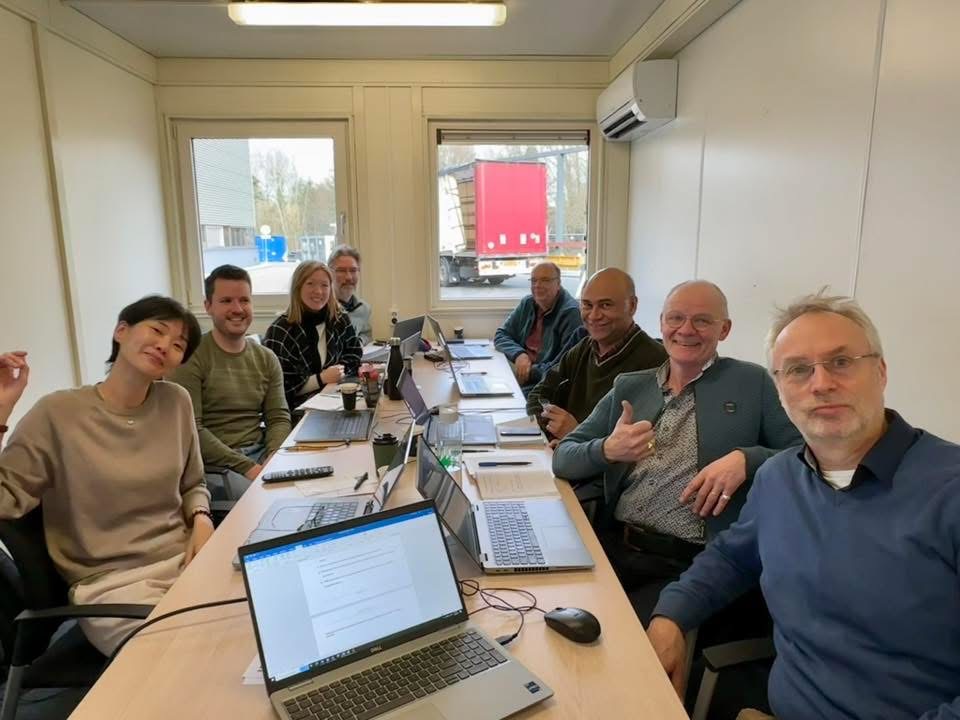
Location: Epe, The Netherlands (On-site Training)

Challenge: Ensuring consistent, unambiguous technical documentation and training materials across diverse global teams and specialised functions within a complex machinery manufacturing environment.

Solution: A focused, three-day ASD-STE100 training and masterclass delivered by Shufrans TechDocs to a mixed group of technical communication and instructional design professionals. The third day was exclusively for masterclass participants who had previously completed an STE course.

Results: Enhanced clarity in documentation, improved efficiency in content creation, and strengthened precision in training delivery, directly impacting product lifecycle support and global communication.


The Challenge: Precision in a World of Complex Machinery

VMI Group stands as a global leader in designing and manufacturing high-tech machinery for demanding industries, including tyre, rubber, can, and care products. Their sophisticated equipment requires technical documentation and training materials of the highest clarity and precision to ensure operational safety, efficient maintenance, and effective knowledge transfer across their worldwide customer base and internal teams.

However, as with many global enterprises dealing with intricate technology, VMI Group faced the challenge of maintaining absolute consistency and unambiguous language across their varied documentation outputs. This complexity was compounded by a diverse team of professionals involved in content creation, including:

  • Instructional Designers & Curriculum Developers: Responsible for creating training materials that must be universally understood by operators and technicians.
  • Technical Writers & Senior Technical Writers: Tasked with authoring detailed manuals, specifications, and service guides for highly specialised machinery.
  • Linguists: Critical for ensuring accuracy in content that would inevitably be translated for international markets.
  • Engineers: Providing essential technical input that needed to be integrated into clear, actionable documentation.

Inconsistencies or ambiguities in any part of this documentation chain could lead to inefficiencies, rework, increased translation costs, and, crucially, potential operational errors in the field.


The Solution: Shufrans TechDocs’ Tailored STE Training & Masterclass

VMI Group partnered with Shufrans TechDocs for a comprehensive, three-day ASD-STE100 training and masterclass. Understanding the mixed bag of roles and diverse work areas (including extrusion processes) involved, Shufrans TechDocs delivered a programme designed to provide both foundational STE principles and advanced application for VMI Group’s specific needs.

The training was structured as follows:

  • Days 1 & 2 (Core STE Training): Covered fundamental STE principles, writing rules, and controlled vocabulary. This section was open to all participants.
  • Day 3 (Masterclass for Advanced Participants): Exclusively for individuals who had previously completed an STE course, this session delved into more complex scenarios, nuanced application, and advanced best practices for implementing STE across varied technical content.

The training emphasised practical application, utilising VMI Group’s own documentation examples where relevant, to ensure immediate and tangible skill transfer. Shufrans TechDocs’ expertise in ASD-STE100 ensured that VMI Group’s teams were equipped with the latest standards and best practices.

The Results: Unifying Communication, Enhancing Operational Excellence

By undertaking the ASD-STE100 training and masterclass with Shufrans TechDocs, VMI Group achieved measurable advancements in its technical communication:

  • Enhanced Documentation Clarity: All participants gained a unified understanding and application of STE, drastically minimising ambiguity in their technical documents and training materials. This directly translates to safer and more efficient machine operation and maintenance.
  • Improved Content Efficiency: Technical writers and instructional designers could create content more quickly and with greater consistency, reducing drafting time and internal review cycles.
  • Optimised Translation Workflows: Linguists gained highly consistent and unambiguous source text, leading to faster, more accurate, and more cost-effective translations for VMI Group’s global reach.
  • Stronger Cross-Functional Understanding: Engineers and field experts, now familiar with STE, could provide more precise input, fostering better collaboration with documentation teams.
  • Accelerated Professional Development: The training upskilled a broad range of professionals, enhancing their capabilities in critical communication, which is vital for continuous improvement in a high-tech manufacturing environment.

VMI Group’s investment in STE training with Shufrans TechDocs has proven to be a strategic move, empowering their teams to produce clear, consistent, and highly effective technical documentation and training materials, thereby supporting their commitment to innovation and global operational excellence.

If your organisation faces similar challenges in global technical communication, discover how Shufrans TechDocs can help. Learn more about our ASD-STE100 training and consulting services:

🗓️ View our training calendar.

www.shufrans.com

Case Study: Achieving Clarity and Consistency in Technical Documentation for Schindler Elevators

Case Study: Achieving Clarity and Consistency in Technical Documentation for Schindler Elevators

A Strategic Approach to Unambiguous Communication and Operational Excellence

Industry: Urban Mobility (Elevators, Escalators, Moving Walks)

Client: Schindler Group

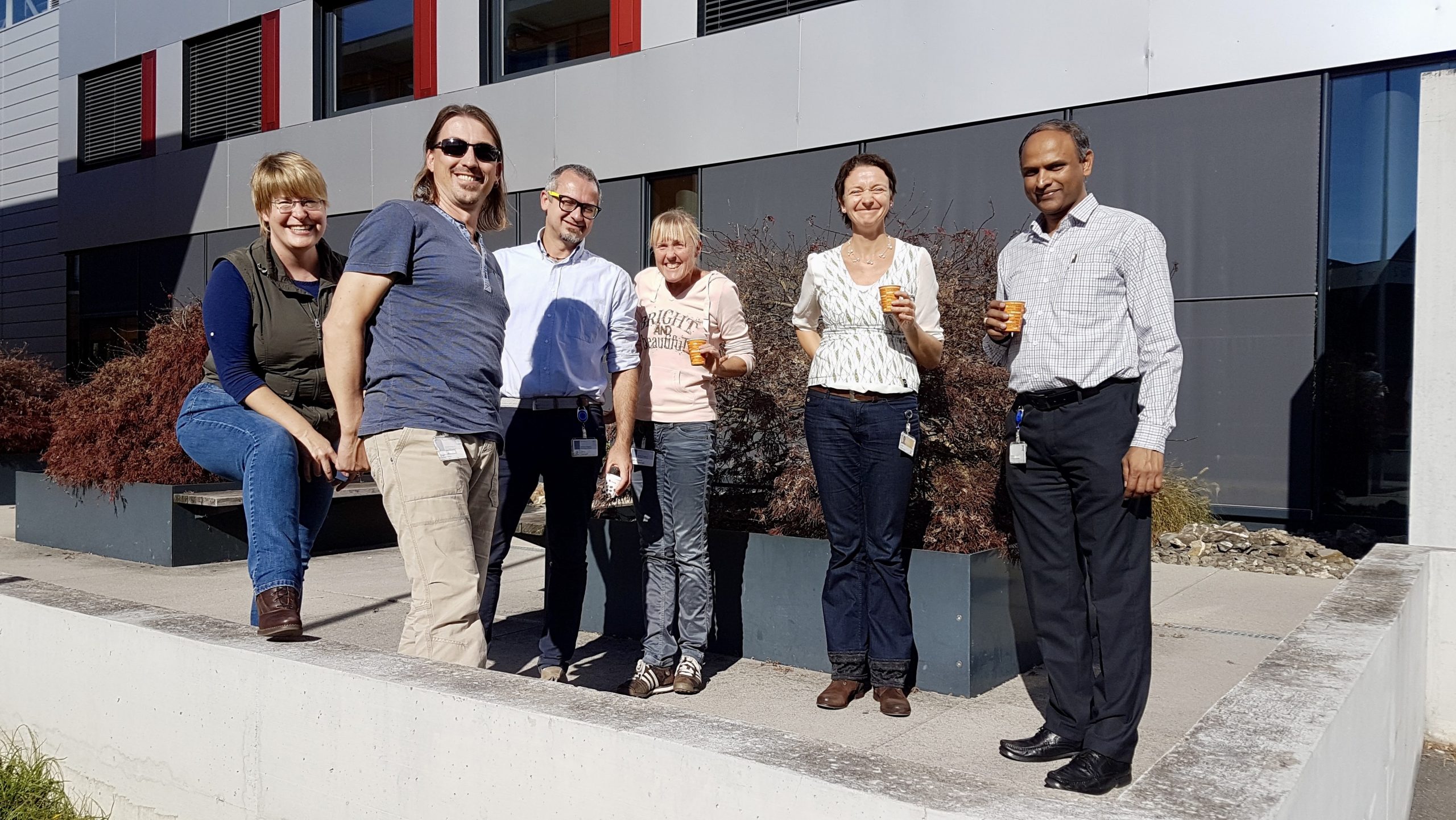
Training Locations: Ebikon, Switzerland (on-site) & Shanghai, China (online)

Service Provided: Simplified Technical English (STE) Training & Documentation Rewriting

Introduction

Clear, unambiguous, and consistent technical documentation is paramount in the complex and safety-critical world of urban mobility. This case study highlights a successful engagement with Schindler Group, a global leader in elevators, escalators, and related services, focused on achieving their technical communication through comprehensive Simplified Technical English (STE) implementation.

Client Background

Schindler Group, headquartered in Ebikon, Switzerland, is renowned for its innovative and sustainable mobility solutions. With a vast international presence and a diverse workforce, ensuring that technical manuals, maintenance procedures, and product documentation are universally understood is a strategic imperative, particularly for safety and operational efficiency.

The Challenge

Prior to the engagement, Schindler, like many multinational corporations, faced the inherent challenges of technical documentation:

  • Ambiguity: Standard English, with its rich vocabulary and complex grammatical structures, can lead to misinterpretations, especially among non-native English speakers.
  • Inconsistency: Multiple authors and external vendors, potentially across different regions, could result in varied writing styles and terminology, hindering clarity and increasing translation costs.
  • Translation Efficiency: Complex source texts often led to higher translation costs and potential errors in localised versions, impacting global operations.
  • Safety Criticality: In the elevator and escalator industry, any misunderstanding in technical instructions can have severe safety implications.

Schindler recognised the need for a standardised approach to technical English to mitigate these risks and improve the overall quality and efficiency of their documentation.

Phase 2: Document Rewriting and Refinement Following the initial training, a direct engagement commenced with key personnel to apply STE principles to existing documentation. This involved close collaboration with:

  • Principal Corporate Technical Author: To ensure the practical application of STE rules and to establish internal champions for the standard.
  • Head of Corporate Technical Documentation: To oversee the strategic implementation and integration of STE into Schindler’s documentation workflows.

This hands-on rewriting process ensured that the theoretical knowledge gained during training was immediately put into practice, demonstrating tangible improvements in clarity and consistency.

Phase 3: Global Expansion of Training Recognising the success and the need for global consistency, the training was extended to other critical regions. A dedicated online training session was conducted for:

  • Corporate Technical Documentation colleagues in Shanghai, China: This expanded the reach of STE adoption, ensuring that documentation produced in a key international hub also conformed to the new global standard.

www.shufrans.com

Key Stakeholders and Organisational Impact

The success of this initiative was a testament to the collaborative effort across various departments and external partners, demonstrating how STE benefits different parts of the organisation:

  • Leadership and Management: Gained strategic alignment and understanding of STE’s business value in achieving safety, efficiency, and global reach.
  • Engineering and Product Development Teams (including Subject Matter Experts): Benefited from improved clarity in technical specifications, design documents, and maintenance requirements, ensuring precise input and reduced ambiguity from the source.
  • Technical Documentation Teams (in-house and external partners): Acquired practical skills in applying STE rules, leading to more consistent, unambiguous, and efficient content creation for manuals, procedures, and other technical assets.
  • Terminology and Language Specialists: Enhanced their ability to manage and control technical vocabulary, ensuring consistency across all documentation and facilitating improved translation quality.
  • Translation Teams: Experienced streamlined translation processes due to the reduced ambiguity and increased consistency of STE-compliant source texts.

Results and Impact

The implementation of STE at Schindler Group yielded significant benefits:

  • Achieved Clarity and Readability: Documents became easier to understand for a global audience, including non-native English speakers, reducing the risk of misinterpretation.
  • Improved Consistency: A unified writing style and controlled vocabulary ensured consistency across all technical documentation, regardless of the author or origin.
  • Increased Efficiency: Streamlined writing processes and clearer source texts led to more efficient documentation creation and review cycles.
  • Reduced Translation Costs: The unambiguous nature of STE significantly lowered translation costs and improved the quality of translated materials.
  • Strengthened Safety: By eliminating ambiguity in critical instructions, the overall safety of operations and maintenance procedures was achieved.


Testimonials

This impact was echoed by participants:

Roland Kiser, Terminology Coordinator at Schindler, noted: “This course shares a good overview of structure, purpose, history, and contextual information about STE. The limited vocabulary and restricted list of words, short sentence constructions, active voice, and imperative verb usage are valuable takeaways messages to act upon in Simplified English. The examples used in this training are quite realistic and it is very likely that I will recommend this STE training to someone else.”

Cécile Roos, Corporate Translation Manager, added: “Entertaining, short, and clear presentation of the STE specification and rule sets. Overall, a good mix of rules, examples, and exercises. The course was very much on point and encouraged me to write in a more structured way. This will help the readers to properly understand my message even in business writing. Shumin had a very calm way of leading all of us through the training. Her style of teaching is rather empathetic and she keeps the group working effectively with timely breaks in between. Thanks Shumin for an enjoyable course with the perfect score of 10/10 in terms of trainer evaluation.”

Marco Valtangoli, Senior Corporate Technical Author at Schindler, also provided valuable feedback: “A very important and highlighted point during the introduction is that STE is an English language specification that is not only applicable for companies in the aerospace & defence industry. Rule 5.2 where you only have one instruction per sentence is important to us. Not being able to use the verb “CHECK’ that is only used as an approved STE noun poses a challenge to me all the time. I really appreciate the STE writing rules that give us the possibility to improve the consistency of our documents. The workshop exercises were of high interest value and drive home the point that it is important to learn by doing. Although a time-consuming process, the writing workshop impressed on me that the need to prioritise the analysis of our internal documents. Shumin is a competent trainer who does not only focus on explaining and enforcing the “writing rules”, but is always available to understand and empathise with the training needs of the class.”

Conclusion

The comprehensive STE training and document rewriting initiative with Schindler Group stands as a strong example of how strategic investment in technical communication can drive operational excellence, improve safety, and foster global consistency within a leading industrial enterprise. By empowering their diverse teams with the tools and knowledge of Simplified Technical English, Schindler reinforced its commitment to delivering clear, reliable, and high-quality documentation worldwide.

If your organisation faces similar challenges in achieving uncompromising clarity and operational readiness through precise communication, discover how Shufrans TechDocs can help. Learn more about our ASD-STE100 training and consulting services:

🗓️ View our training calendar.